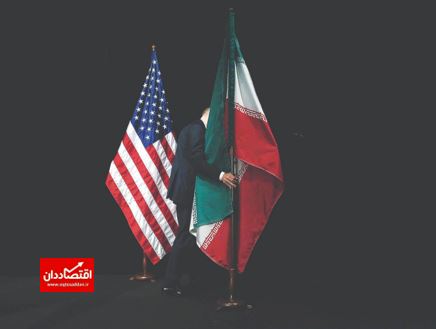
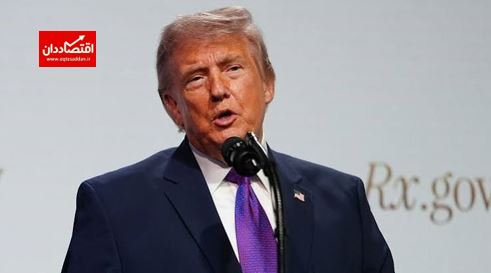
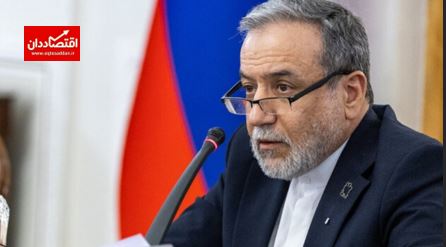
روندجنگ ایران چه خواهد شد ؟
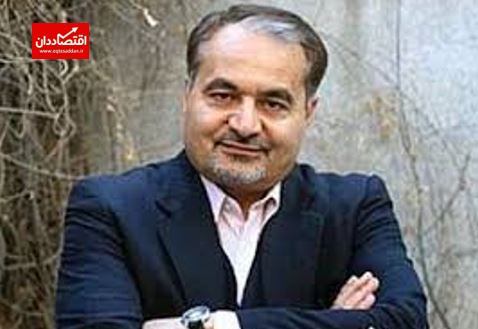
اقتصاددان : دکترسید حسین موسویان استاد دانشگاه پرینستون با درج یادداشتی درمقاله میدل ایست آی نوشت : جنگ ایران؛ آیا شکست ترامپ در انتخابات میاندورهای به پایان مناقشه با تهران منجر میشود یا به تداوم آن دامن میزند؟
بزرگترین پیروزی برای هر 2 کشور، نه پیروزی نظامی یا تحقیر طرف مقابل، بلکه دستیابی به صلحی پایدار خواهد بود.
انتخابات میاندورهای آمریکا شکست تاریخی سنگینی را به حزب جمهوریخواه دونالد ترامپ تحمیل کرد؛ حزبی که کنترل هر 2 مجلس کنگره را از دست داد. دموکراتها در ایالتهایی که بهطور سنتی پایگاه جمهوریخواهان محسوب میشوند، از جمله تگزاس و کانزاس، به پیروزیهای چشمگیری دست یافتند و عبدال السید بهعنوان نخستین مسلمان به مجلس سنای آمریکا راه یافت. روزنامههای آمریکایی این نتیجه را «سونامی آبی» و «شکست سیاسی ویرانگر» ترامپ توصیف کردند.
در تهران، نتایج انتخابات بهعنوان عقبگرد سیاسی بزرگی برای دولت ترامپ و تأییدی بر مقاومت ایران در برابر فشارهای نظامی آمریکا و اسرائیل تفسیر شد. محسن رضایی، دبیر شورای عالی امنیت ملی ایران، در شبکه اجتماعی ایکس نوشت: «ملت ایران در میدان نبرد و در هرمز، شکست راهبردی به ترامپ تحمیل کرد و در واشنگتن نیز او را با شکست سیاسی مواجه ساخت. »
محمدباقر قالیباف، رئیس مجلس شورای اسلامی، نیز ظاهراً با نگرانیهای جیدی ونس، معاون رئیسجمهور آمریکا، درباره هزینههای سیاسی جنگ با ایران و شکست انتخاباتی جمهوریخواهان همنظر بود. قالیباف در پاسخ به ونس در شبکه ایکس هشدار داد: «رئیس شما در حال آمادهسازی مرحله بعدی جنگ است، در حالی که آمریکا در آستانه سقوط به پرتگاهِ اولویت دادن به اسرائیل قرار دارد. سخنرانیهای تدگونه را کنار بگذارید. چرا این حرفها را به رئیس خود نمیگویید؟» پیام او نشاندهنده امکان وجود زمینه مشترک برای پایان دادن به جنگ بود.
جالب آنکه نارضایتیهایی که ونس مطرح کرد، شباهت زیادی به هشدارهایی داشت که مقامات ایرانی، شخصیتهای سیاسی بینالمللی و خود من بارها در مقالات و مصاحبههایم پس از جنگهای آمریکا و اسرائیل علیه ایران در سالهای 2025 و 2026 مطرح کرده بودیم. ما هشدار داده بودیم که تقابل نظامی، بیثباتی منطقهای را تشدید میکند، بازارهای جهانی انرژی را مختل میسازد، فشارهای اقتصادی بر شهروندان عادی آمریکا را افزایش میدهد، وعده ترامپ برای پرهیز از جنگهای جدید را تضعیف میکند و واشنگتن را بیش از پیش درگیر منازعات منطقهای اسرائیل خواهد کرد. متأسفانه این هشدارها در واشنگتن چندان مورد توجه قرار نگرفت.
فرصتها و خطرات
با این حال، نتایج انتخابات لزوماً به معنای افزایش احتمال دستیابی به یک توافق دیپلماتیک نیست؛ بلکه هم فرصتهایی ایجاد کرده و هم خطرات جدی به همراه دارد.
با توجه به تمرکز فزاینده هر 2 حزب اصلی آمریکا بر انتخابات ریاستجمهوری 2028، به نظر میرسد ایران همچنان مانند انتخابات میاندورهای، یکی از موضوعات محوری رقابت سیاسی میان آنها باقی بماند. در چنین شرایطی، ترامپ و حزب جمهوریخواه با 2 انتخاب کاملاً متفاوت روبهرو هستند.
انتخاب نخست، تبدیل روایت شکست انتخاباتی به پیروزی نظامی است. بنیامین نتانیاهو، نخستوزیر اسرائیل، آشکارا خواستار سرنگونی حکومت ایران شده و اعلام کرده است: «تنها یک راه برای از میان بردن همیشگی این تهدید وجود دارد: سرنگونی حکومت ایران.» او همچنین مدعی شده است که ترامپ به وی اطمینان داده آمریکا «آماده است کار را تمام کند».
ترامپ ممکن است تحت فشار چنین درخواستهای جنگطلبانهای بار دیگر به آغاز حملهای گسترده علیه ایران کشیده شود، به این امید که تغییر رژیم را، که عملیات نظامی پیشین در تحقق آن ناکام ماندهاند، عملی سازد. اما این گزینه بر فرضی خطرناک استوار است: اینکه استفاده از نیروی نظامی بیشتر بتواند در جایی موفق شود که جنگهای 2025 و 2026 شکست خوردهاند. یک حمله گسترده دیگر میتواند واکنش نظامی ویرانگر ایران را به دنبال داشته باشد، عرضه انرژی را تهدید کند، متحدان منطقهای واشنگتن را بیثبات سازد و جنگ را تا انتخابات 2028 ادامه دهد.
چنین اقدامی نهتنها ممکن است جمهوریخواهان را از بحران سیاسی نجات ندهد، بلکه میتواند فاجعه سیاسی بزرگتری برای آنان رقم بزند. اگر ترامپ مسیر تشدید نظامی را انتخاب کند، احتمالاً افرادی مانند پیت هگست، وزیر دفاع آمریکا، نقش محوری در اجرای آن خواهند داشت.
انتخاب دوم، تبدیل شکست انتخاباتی به فرصتی تاریخی برای دیپلماسی از طریق چارچوب «اسلامآباد پلاس» (Islamabad Plus) است که بر 2 رکن مکمل استوار خواهد بود: تفاهمنامهای که اوایل سال جاری با میانجیگری پاکستان حاصل شد و ترتیبات جدید امنیت منطقهای.
گام نخست، احیا و گسترش تفاهمنامه اسلامآباد برای پایان دادن به جنگ و حل اختلافات باقیمانده، از جمله برنامه هستهای ایران، آزادی کشتیرانی در تنگه هرمز، رفع محاصره دریایی آمریکا و سایر مسائل مهم امنیتی و اقتصادی خواهد بود.
بخش «پلاس» شامل ایجاد چارچوبی فراگیر برای امنیت و همکاری منطقهای است که بر تلاشهای میانجیگرانه کشورهای منطقه، از جمله پاکستان، ترکیه، عربستان سعودی، مصر، قطر و عمان، استوار باشد و امنیت جمعی، همکاری اقتصادی و صلح پایدار را تقویت کند.
شیخ محمد بن عبدالرحمن آل ثانی، وزیر امور خارجه قطر، گفته است کشورهای خلیج فارس و ایران به چارچوبی مبتنی بر همکاری، حاکمیت ملی و امنیت متقابل نیاز دارند. بدر البوسعیدی، وزیر امور خارجه عمان، نیز خواستار آن شده است که کشورهای عربی خلیج فارس، عراق و ایران در قالب یک پیمان امنیتی واحد مبتنی بر «عدم تجاوز» متحد شوند.
چنین توافقی میتواند بازارهای انرژی را تثبیت کند، فشارهای تورمی را کاهش دهد، کشورهای منطقه را از ویرانیهای بیشتر مصون بدارد و شرایط مساعدتری برای حل مناقشه اسرائیل و فلسطین فراهم آورد.
در این صورت، ترامپ میتواند میراثی تاریخی از خود بر جای بگذارد: پایان دادن به چندین دهه خصومت میان آمریکا و ایران و کمک به شکلگیری معماری امنیتی جدید در منطقه، بهجای آغاز جنگی ویرانگر دیگر. اگر ترامپ این مسیر را انتخاب کند، ونس باید رهبری ابتکار دیپلماتیک را بر عهده بگیرد.
اولویتهای اساسی
بحث و اختلافنظر در تهران نیز به همان اندازه سرنوشتساز است. یک جریان فکری طرفدار ادامه تقابل تا زمانی است که آمریکا شکست راهبردی قاطعی متحمل شود، نیروهای نظامی خود را از منطقه خارج کند و از پروژه «اسرائیل بزرگ» نتانیاهو دست بردارد.
برخی از طرفداران این رویکرد همچنین خواستار خروج ایران از معاهده منع گسترش سلاحهای هستهای (NPT) و ساخت سلاح هستهای هستند. استدلال آنان این است که چندین دهه عضویت ایران در NPT، ممنوعیت شرعی سلاح هستهای و همکاری گسترده با آژانس بینالمللی انرژی اتمی نتوانسته از تحریمها، خرابکاریها و در نهایت حملات نظامی جلوگیری کند.
ابراهیم رضایی، عضو کمیسیون امنیت ملی و سیاست خارجی مجلس، به نقل از خبرگزاری فارس اعلام کرده است که 10 طرح برای خروج از این معاهده ثبت شده و موضوع خروج در دست بررسی است. بر اساس این دیدگاه، بازدارندگی هستهای نسبت به تعهدات حقوقی بینالمللی، حفاظت مؤثرتری فراهم میکند.
بر اساس آنچه از افراد نزدیک به برخی تصمیمگیران کلیدی در تهران شنیدهام، ایران همچنان راهحل مبتنی بر مذاکره را ترجیح میدهد. با این حال، حملات نظامی مکرر آمریکا با وجود تلاشهای دیپلماتیک، بهویژه فروپاشی تفاهمنامه اسلامآباد، تردیدها نسبت به ابتکار صلح ونس را عمیقتر کرده است.
در صورت عدم دستیابی به توافق، به نظر میرسد تهران مصمم است هرگونه حمله مجدد آمریکا را با گسترش تقابل به یک «جنگ تمامعیار منطقهای» پاسخ دهد، زیرساختهای نظامی آمریکا در سراسر منطقه را هدف قرار دهد و ترتیبات امنیتی منطقه را بهگونهای بنیادین تغییر دهد که به حملات آینده واشنگتن و تلآویو برای همیشه خاتمه دهد.
سپاه پاسداران انقلاب اسلامی نیز در نشانهای از آمادگی برای جنگی احتمالاً گستردهتر، از لغو محدودیت خودخواسته برد 2,000 کیلومتری موشکهای بالستیک ایران خبر داده است؛ محدودیتی که نزدیک به 3 دهه برقرار بود. این اقدام پس از هشدار آیتالله مجتبی خامنهای، رهبر جمهوری اسلامی، صورت گرفت که اعلام کرده بود پاسخ ایران به حملات احتمالی آینده آمریکا یا اسرائیل هیچ محدودیت جغرافیایی نخواهد داشت.
اما این راهبرد با خطرات بزرگی همراه است. یک جنگ فرسایشی طولانیمدت اقتصاد ایران را ویران میکند، رنج انسانی را افزایش میدهد، کشورهای همسایه در معرض خطر قرار میگیرند و ثبات جهانی را تهدید میشود. تلاش برای دستیابی به سلاح هستهای نیز ممکن است پیش از آنکه ایران بتواند بازدارندگی معتبری ایجاد کند، حملات بیشتری را به دنبال داشته باشد.
اولویتهای اساسی ملی ایران باید تضمین پایان دائمی جنگ و غلبه بر چالشهای شدید اقتصادی کشور باشد. تداوم تقابل هیچیک از این 2 هدف را محقق نخواهد کرد.
گزینه جایگزین، دستیابی به توافقی جامع از طریق دیپلماسی است بنحویکه بتواند حاکمیت ملی ایران، منافع مشروع امنیتی و آینده اقتصادی آن را تضمین کند.
با این حال، برای موفقیت مذاکرات، واشنگتن و تهران باید یک اصل بنیادین را به رسمیت بشناسند: هر توافق پایداری باید برای هردوطرف آبرومندانه و مبتنی بر منافع متقابل باشد. هیچیک از طرفین تسلیم بیقیدوشرط را نخواهند پذیرفت. توافقی مبتنی بر تحقیر، اجبار یا امتیازات یکجانبه، صرفاً زمینهساز جنگ دیگری خواهد شد.
از همین رو، ابتکار دیپلماتیک جدید بر پایه چارچوب «اسلامآباد پلاس» و با حمایت قدرتهای کلیدی منطقه، شایسته بررسی جدی است.
تاریخ درس مهمی در خود دارد: از واکنشهای سیاسی علیه جنگ ویتنام در دهه 1970 گرفته تا شکستهای انتخاباتی جمهوریخواهان در جریان جنگ عراق در سال 2006 و جنگ ایران 2 دهه بعد، تقابلهای نظامی طولانیمدت بارها هزینههای سیاسی سنگینی بر واشنگتن تحمیل کردهاند.
پیام مردم آمریکا در انتخابات اخیر به رهبران شان، بهویژه جمهوریخواهان، روزبهروز روشنتر میشود: « دیگر بس است». مردم آمریکا جنگ بیپایان دیگری نمیخواهند. برتری نظامی تضمینکننده پیروزی راهبردی نیست.
ترامپ و تهران اکنون در برابر انتخابی تاریخی میان ادامه تقابل و دستیابی به توافقی دیپلماتیک قرار دارند. بزرگترین پیروزی برای هر 2 ملت، نه پیروزی نظامی و نه تحقیر طرف مقابل، بلکه صلحی پایدار است که به دههها خصومت پایان دهد و عصر جدیدی از امنیت و همکاری منطقهای را بنیان گذارد.
Iran war: Will Trump’s midterm defeat end or entrench the conflict with Tehran?
https://www.middleeasteye.net/opinion/iran-war-will-trumps-midterm-defeat-end-or-entrench-conflict
The greatest victory for both nations would be neither military triumph nor the humiliation of the other, but the achievement of a lasting peace
Seyed Hossein Mousavian, 9 November 2026
The US midterm elections delivered a historic defeat to President Donald Trump’s Republican Party, which lost control of both houses of Congress.
Democrats achieved remarkable victories in traditionally Republican strongholds, including Texas and Kansas, while Abdul El-Sayed became the first Muslim elected to the US Senate. American newspapers described the outcome as a “blue tsunami” and a political demolition of Trump.
In Tehran, the election results were interpreted as a major political setback for the Trump administration, and a vindication of Iran’s resistance to US-Israeli military pressure. Iran’s top security chief, Mohsen Rezaei, wrote on X (formerly Twitter): “The Iranian nation handed Trump a strategic defeat on the battlefield and in the Hormuz – and a POLITICAL DEFEAT in Washington.”
Iranian Parliament Speaker Mohammad Bagher Ghalibaf appeared to share US Vice President JD Vance’s concerns about the political costs of the Iran war and the Republicans’ electoral defeat.
Responding to Vance on X, Ghalibaf warned: “Boss is prepping the next war phase while America teeters on an Israel-First cliff. Skip the TED talk. Why not say this to your boss?” His message highlighted the possibility of common ground on ending the war.
Top of Form
Bottom of Form
Interestingly, the grievances identified by Vance closely resemble warnings that Iranian officials, international political figures, and I myself repeatedly raised in articles and interviews following the US-Israeli wars against Iran in 2025 and 2026.
We warned that military confrontation would deepen regional instability, disrupt global energy markets, increase economic pressures on ordinary Americans, undermine Trump’s promise to avoid new wars, and further entangle Washington in Israel’s regional conflicts. Unfortunately, these warnings found little reception in Washington.
Opportunities and dangers
Yet the election does not automatically make a diplomatic breakthrough more likely. It creates both opportunities and serious dangers.
With both major American parties increasingly focused on the 2028 presidential election, Iran is likely to remain a central issue in their political confrontation, as it was during the midterms. Against this backdrop, Trump and the Republican Party face two fundamentally different choices.
The first is to transform the narrative of electoral defeat into one of military victory. Israeli Prime Minister Benjamin Netanyahu has openly advocated overthrowing Iran’s government, declaring that “there is only one way to remove this threat once and for all: overthrow the regime in Iran”. He also claimed that Trump had assured him the US was “ready to finish the job”.
Under pressure from such hawkish demands, Trump could be drawn into launching another massive offensive against Iran, hoping to achieve the regime change that previous military operations failed to deliver.
But this option rests on a dangerous assumption: that greater military force will succeed where the wars of 2025 and 2026 failed. Another major offensive could trigger devastating Iranian retaliation, threaten energy supplies, destabilise Washington’s regional allies, and prolong the conflict into the 2028 election.
Rather than rescuing the Republicans, it could produce an even greater political disaster. If Trump chooses renewed military escalation, figures such as Defence Secretary Pete Hegseth would likely play leading roles in its implementation.
The second option is to transform the electoral setback into a historic diplomatic opportunity through an “Islamabad plus” framework built on two complementary pillars: the memorandum of understanding brokered by Pakistan earlier this year, and new regional security arrangements.
The first step would be to revive and expand the Islamabad memorandum to end the war and resolve outstanding disputes, including Iran’s nuclear programme, freedom of navigation through the Strait of Hormuz, the lifting of the US maritime blockade, and other critical security and economic issues.
The “plus” would establish an inclusive regional security and cooperation framework, building on the mediation efforts of regional actors – Pakistan, Turkey, Saudi Arabia, Egypt, Qatar and Oman – to promote collective security, economic cooperation and sustainable peace.
Qatar’s foreign minister, Sheikh Mohammed bin Abdulrahman Al Thani, has said that Gulf countries and Iran need a framework based on cooperation, sovereignty and mutual security. Oman’s foreign minister, Badr al-Busaidi, has called on the Arab Gulf states, Iraq and Iran to unite under a single “non-aggression” security pact.
Such an agreement could stabilise energy markets, ease inflationary pressures, protect regional countries from further destruction, and create more favourable conditions for addressing the Israeli-Palestinian conflict.
Trump could thus secure a historic legacy: ending decades of US-Iran hostility and helping to establish a new regional security architecture, rather than pursuing another devastating war. If Trump chooses this path, Vance should lead the diplomatic initiative.
Overriding priorities
The debate in Tehran is equally consequential. One school of thought favours continuing the confrontation until the US suffers a decisive strategic defeat, withdraws its military forces from the region, and abandons Netanyahu’s “Greater Israel” project.
Some proponents of this approach also advocate withdrawing from the Non-Proliferation Treaty (NPT) and developing nuclear weapons. They argue that decades of NPT membership, Iran’s religious prohibition against nuclear weapons, and extensive cooperation with the International Atomic Energy Agency failed to prevent sanctions, sabotage, and ultimately military attacks.
Ebrahim Rezaei, a member of the National Security and Foreign Policy Committee, said 10 proposals to withdraw from the treaty had been registered, and withdrawal was under consideration, according to the Fars news agency. According to this view, nuclear deterrence offers stronger protection than international legal commitments.
According to what I have heard from individuals close to key decision-makers in Tehran, Iran still prefers a negotiated settlement. However, repeated US military attacks despite diplomatic efforts, particularly the collapse of the Islamabad MOU, have deepened scepticism about Vance’s peace initiative.
In the absence of an agreement, Tehran appears determined to respond to any renewed US attack by expanding the confrontation into a full-scale regional war, targeting US military infrastructure across the region, and fundamentally reshaping regional security arrangements to prevent future attacks by Washington and Tel Aviv.
Signalling its preparedness for a potentially wider war, Iran’s IRGC has announced the removal of its self-imposed 2,000-kilometre ballistic missile range limit, maintained for nearly three decades. This follows Supreme Leader Mojtaba Khamenei’s warning that Iran’s response to future US or Israeli attacks would have no geographical limits.
But this strategy carries enormous risks. A prolonged war of attrition would devastate Iran’s economy, increase human suffering, endanger neighbouring countries, and threaten global stability. Pursuing nuclear weapons could also invite further attacks before Iran could establish a credible deterrent.
Iran’s overriding national priorities should be securing a permanent end to the war, and overcoming its severe economic challenges. Prolonged confrontation would accomplish neither.
The alternative is a comprehensive diplomatic settlement that protects Iran’s sovereignty, legitimate security interests, and economic future.
For negotiations to succeed, however, Washington and Tehran must recognise one fundamental principle: any sustainable agreement must be honourable and mutually beneficial. Neither will accept unconditional surrender. A settlement based on humiliation, coercion or one-sided concessions would merely prepare the ground for another conflict.
That is why a Vance-Ghalibaf diplomatic initiative, built around an “Islamabad plus” framework and supported by key regional powers, deserves serious consideration.
History offers a powerful lesson: from the political backlash against the Vietnam War in the 1970s, to the Republicans’ electoral defeats amid the Iraq War in 2006, and the Iran war two decades later, prolonged military confrontations have repeatedly imposed heavy political costs on Washington.
The message to US leaders, particularly Republicans, is increasingly clear: enough is enough. Americans do not want another endless war. Military superiority does not guarantee strategic victory.
Trump and Tehran now face a historic choice between further confrontation and a diplomatic settlement. The greatest victory for both nations would be neither military triumph nor the humiliation of the other, but a lasting peace that ends decades of hostility and establishes a new era of regional security and cooperation.
مخاطب گرامی، ارسال نظر پیشنهاد و انتقاد نسبت به خبر فوق در بخش ثبت دیدگاه، موجب امتنان است.
ع