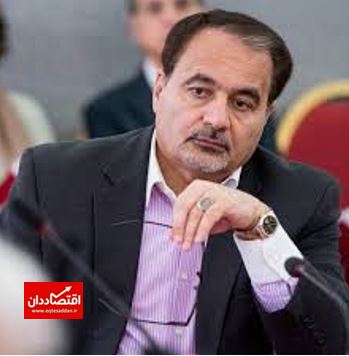
دکترسید حسین موسویان استاد دانشگاه پرینستون با درج یادداشتی در اقتصاددان نوشت : وارد آوردن ضربهای سنگین به رژیم عدم اشاعه هستهای
هر کشوری که با تهدید مشابه حمله آمریکا به ایران مواجه شود، بهدنبال دستیابی به بازدارندگی هستهای خود خواهد بود.
با وجود جنگ علیه برنامه غنی سازی ایران، ترامپ به کره جنوبی و عربستان اجازه توسعه برنامههای غنیسازی و بازفرآوری داده است.
بحران کنونی پیرامون برنامه هستهای ایران به سطحی فوقالعاده رسیده و بهطور تکاندهندهای با تهدید ۷ آوریل رئیسجمهور ترامپ مبنی بر نابودی «تمدن» ایران در صورت عدم تبعیت از خواستههایش به اوج خود رسیده است—تهدیدی که بهسختی پوشیده، اما در واقع اشارهای به یک حمله هستهای گسترده علیه شهرهای ایران دارد. هر کشوری که با چنین تهدیدی مواجه شود، بهدنبال بازدارندگی هستهای خود خواهد رفت.
در سطحی گستردهتر، پیمان عدم اشاعه هستهای ان پی تی مصوب ۱۹۷۰—که بیانگر نوعی اجماع نزدیک به جهانی است مبنی بر اینکه جهان بدون سلاح هستهای بهتر خواهد بود و در این فاصله، هرچه تعداد انگشتها روی ماشههای هستهای کمتر باشد بهتر است—در حال فرسایش است.
در چارچوب ان پی تی، پنج کشور اعضای دائم شورای امنیت سازمان ملل متعهد شدند زرادخانههای هستهای خود را از میان بردارند، مشروط بر اینکه کشورهای فاقد سلاح هستهای تعهد دهند بهدنبال دستیابی به سلاح هستهای نروند و اجازه دهند آژانس بینالمللی انرژی اتمی بر استفاده آنها از مواد هستهای نظارت کند تا اطمینان حاصل شود هیچگونه انحرافی به سمت کاربردهای نظامی رخ نمیدهد.
بهطرز شگفتآوری تعداد اندکی از کشورها به سلاح هستهای دست یافتهاند. در سال ۱۹۹۵، مذاکرهکنندگان پیمان جامع منع آزمایشهای هستهای، ۴۴ کشور را از نظر فناوری قادر به ساخت سلاح هستهای دانستند. اما در ۵۶ سالی که از اجرایی شدن ان پی تی میگذرد، تنها سه کشور—اسرائیل، هند و پاکستان—خارج از این پیمان به سلاح هستهای دست یافتند و تنها یک کشور، کره شمالی، پس از پیوستن به ان پی تی از آن خارج شد.
کشورهای فاقد سلاح هستهای در ابتدا برای مدت ۲۵ سال با عضویت در ان پی تی موافقت کردند. در سال ۱۹۹۵، با پایان این دوره، جنگ سرد تازه به پایان رسیده بود و کلاهکهای هستهای آمریکا و روسیه با نرخ ترکیبی سالانه ۳۰۰۰ عدد در حال برچیده شدن بودند. خلع سلاح هستهای در دسترس به نظر میرسید و ان پی تی دائمی شد. اما متأسفانه در دهه گذشته، روند کاهش ذخایر جهانی کلاهکها متوقف شد—در حالی که حدود ۱۰ هزار کلاهک همچنان وجود دارد—و با افزایش توان چین، این روند دوباره رو به افزایش گذاشته است.
۱۹۰ عضو ان پی تی که قرار است در ماه مه در سازمان ملل برای بررسی وضعیت پایبندی به این پیمان گرد هم آیند، در دو بازبینی قبلی از سال ۲۰۱۰ تاکنون نتوانستهاند به اجماع برسند.
برنامه هسته ای ایران
معضل اشاعه هستهای ایران. در سال ۲۰۱۱، آژانس بینالمللی انرژی اتمی نتیجه گرفت که ایران پیش از سال ۲۰۰۳ برنامهای برای توسعه سلاح هستهای داشته است. در سال ۲۰۰۳، رهبر وقت، آیتالله علی خامنهای، فتوایی صادر کرد که سلاحهای کشتار جمعی را «حرام» اعلام میکرد. میزان الزامآوری این فتوا محل بحث بوده است، اما آخرین گزارش سرویس پژوهشی کنگره آمریکا درباره برنامه هستهای ایران تصریح میکند: “بر اساس ارزیابیهای رسمی آمریکا، ایران برنامه سلاح هستهای خود را در اواخر سال ۲۰۰۳ متوقف کرده و آن را از سر نگرفته است.”
در سال ۲۰۱۸، رئیسجمهور ترامپ بهطور خودسرانه آمریکا را از برنامه جامع اقدام مشترک(برجام) که در دوره دولت اوباما مذاکره شده بود خارج کرد—توافقی که در آن ایران پذیرفته بود محدودیتهای شدیدی بر بخشهای مختلف برنامه هستهای خود برای ۱۵ سال یا بیشتر اعمال کند. ترامپ برای وادار کردن ایران به پذیرش «توافقی بهتر» از آنچه به اوباما داده بود، تحریمهای اولیه و ثانویه شدید را دوباره بر اقتصاد ایران اعمال کرد. نه شورای امنیت سازمان ملل و نه شورای حکام آژانس واکنشی نشان ندادند، اما دبیرکل سازمان ملل، آنتونیو گوترش، چنین گفت: من عمیقاً نگران اعلام امروز ایالات متحده مبنی بر خروج از برجام و آغاز بازگرداندن تحریمهای آمریکا هستم… من همواره تأکید کردهام که برجام یک دستاورد مهم در عدم اشاعه هستهای و دیپلماسی بوده و به صلح و امنیت منطقهای و بینالمللی کمک کرده است.
با توجه به مخالفت گسترده با برجام در کنگره، دولت بایدن اولویت بالایی برای مذاکره جهت احیای آن قائل نشد. از زمان انتخاب مجدد ترامپ، وضعیت بهسرعت رو به وخامت گذاشته است.
در ۱۲ ژوئن ۲۰۲۵، شورای حکام آژانس اعلام کرد که «ایران بهطور کامل با آژانس همکاری نکرده است، آنگونه که در توافق پادمانها الزام شده است.» تمرکز این انتقاد بر توضیحات ناکافی ایران درباره فعالیتهایی بود که تا سال ۲۰۰۳ انجام داده بود—موضوعاتی که آژانس پس از جمعبندی خود در گزارش دسامبر ۲۰۱۵ تحت عنوان «ارزیابی نهایی مسائل گذشته و حال درباره برنامه هستهای ایران» آنها را مختومه اعلام کرده بود، درست پیش از اجرایی شدن برجام در ژانویه ۲۰۱۶.
یک روز پس از بیانیه شورای حکام، در حالی که ایالات متحده در حال مذاکره با ایران بود، اسرائیل به تأسیسات هستهای ایران حمله کرد. رئیسجمهور ترامپ دستور داد نیروهای آمریکایی نیز به این حمله بپیوندند و با بمبهای سنگرشکن عظیم، سالنهای زیرزمینی سانتریفیوژ ایران را بمباران کنند.
بار دیگر، در ۲۷ فوریه، در وقفهای در دور دوم مذاکرات آمریکا با ایران، وزیر امور خارجه عمان که نقش میانجی داشت، در مصاحبهای با تلویزوین سی.بی.اس گزارش داد که مذاکرهکنندگان به «پیشرفت قابلتوجهی» در جهت توافق برای مهار برنامه هستهای ایران دست یافتهاند و ایران آمادگی دارد تولید اورانیوم با غنای بالا را متوقف کرده و ذخایر موجود خود را رقیق کند. اما روز بعد، اسرائیل حمله کرد و رهبر عالی ایران و بخش زیادی از رهبری نظامی آن را به قتل رساند، و ترامپ بار دیگر دستور داد نیروهای آمریکایی در موج شدید بعدی بمباران ایران مشارکت کنند.
شورای امنیت سازمان ملل این حملات علیه ایران را محکوم نکرد، اما حملات تلافیجویانه ایران علیه همسایگان عرب متحد آمریکا در خلیج فارس و نیز بستن تنگه هرمز را محکوم کرد. آژانس بینالمللی انرژی اتمی نیز حملات اسرائیل و آمریکا به تأسیساتی که تحت نظارت آن بود را محکوم نکرد، هرچند نتیجه این حملات تصمیم ایران برای مسدود کردن دسترسی آژانس به سایتهای بمبارانشده بود، بخاطر بیم آنکه بازرسیهای آژانس برای اهداف اطلاعاتی توسط آمریکا و اسرائیل استفاده شود.
مذاکرات آمریکا با ایران. نقطه اصلی اختلاف در مذاکرات از زمان علنی شدن برنامه هستهای ایران در سال ۲۰۰۳، موضوع غنیسازی اورانیوم بوده است. ایران مدعی است که بر اساس ان پی تیT حق دارد برای اهداف صلحآمیز اورانیوم غنیسازی کند. با این حال، غنیسازی اورانیوم میتواند مسیری به سمت دستیابی به سلاح هستهای نیز فراهم کند.
دیدگاه ما این است که هیچ توجیه اقتصادی برای یک برنامه کوچک غنیسازی وجود ندارد. چهار تأمینکننده بزرگ—روسیه؛ یورنکو (شرکتی مشترک میان آلمان، هلند و بریتانیا)؛ چین؛ و فرانسه—ظرفیت کافی برای تأمین سوخت نیروگاههای هستهای جهان با هزینه کمتر دارند. حتی ایالات متحده، با بزرگترین ظرفیت تولید برق هستهای جهان (یکچهارم کل ظرفیت جهانی)، از سال ۲۰۱۳ خدمات غنیسازی را از این تأمینکنندگان خریداری کرده است، زمانی که آخرین کارخانههای غنیسازی ناکارآمد خود را که در دوران جنگ سرد برای تولید اورانیوم با غنای بالا ساخته بود تعطیل کرد.
اگر کشورها بر ساخت تأسیسات غنیسازی غیراقتصادی اصرار داشته باشند، ما پیشنهاد کردهایم که این تأسیسات تحت کنترل چندملیتی در قالب کنسرسیوم منطقه ای قرار گیرند، همانگونه که در مورد کنسرسیوم مشترک غنی سازی اروپا (یورنکو) چنین است. ایران تمایل خود را برای قرار دادن برنامه غنیسازی تحت کنترل چندملیتی ابراز کرده، اما با انتقال آن به یک کشور بیطرف مخالف است.
پس از خروج ترامپ از توافق هستهای و بازگرداندن تحریمها، ایران در واکنش، سطح غنیسازی را بهتدریج افزایش داد و از سقف ۳.۶۷ درصد فراتر رفت. در نهایت، ایران بخشی از اورانیوم را تا سطح ۶۰ درصد غنیسازی کرد—اندکی کمتر از سطح تسلیحاتی (۹۰ درصد). تا زمان آغاز حملات در ژوئن ۲۰۲۵، ایران حدود نیم تُن اورانیوم با این سطح تولید کرده بود. با استفاده از این مواد، ایران میتوانست با یک زنجیره از ۱۷۵ سانتریفیوژ پیشرفته، مواد لازم برای حدود ۱۰ بمب را تولید کند، با نرخ تقریبی یک بمب در هر ۲۵ روز.
بعد از اینکه ایران عبور و مرور در تنگه هرمز را متوقف کرد و طرح پوششی آمریکا برای ضبط اورانیوم با غنای بالای ایران ، که به گفته ایران شکست خورد، مذاکرات جدید آمریکا و ایران در اسلامآباد، پایتخت پاکستان، آغاز شد. موفقیت یا شکست این مذاکرات پیامدهای عظیمی برای صلح در خاورمیانه—و برای اشاعه هستهای در سطح جهان—خواهد داشت.
سیاست ناسازگار عدم اشاعه. با وجود جنگ بر سر برنامه غنیسازی ایران، رئیسجمهور ترامپ بهطور متناقضی به کره جنوبی و عربستان سعودی اجازه داده است برنامههای غنیسازی اورانیوم و بازفرآوری سوخت مصرفشده را توسعه دهند. «بازفرآوری» فرآیندی شیمیایی برای جداسازی پلوتونیوم—یکی دیگر از مواد مورد استفاده در سلاح هستهای—از سوخت مصرفشده است.
همانگونه که گفته شد، هیچ توجیه اقتصادی برای برنامههای جدید ملی غنیسازی در مقیاس کوچک وجود ندارد. اگرچه در حال حاضر تقاضا برای خدمات غنیسازی افزایش یافته است، اما تأسیسات کوچک ملی همچنان رقابتی نیستند. پلوتونیوم بازیافتی نیز در مقیاس تجاری با سوخت اورانیوم کمغنیشده رقابتپذیر نیست.
با این حال، ترامپ بدون مشورت لازم با کنگره، متعهد شده است که از تلاشهای کره جنوبی و عربستان برای دستیابی به این فناوریها حمایت کند. دلایل نگرانی روشن است: در کره جنوبی، ۷۶ درصد مردم از بازدارندگی هستهای حمایت میکنند. در عربستان نیز ولیعهد اعلام کرده اگر ایران به سلاح هستهای برسد، آنها نیز چنین خواهند کرد. ترامپ همچنین از مخالفت عربستان با پروتکل الحاقی آژانس حمایت کرده است.
ترامپ این توافقات را در چارچوب رویکرد معاملاتی خود انجام داده است—رویکردی که در آن قواعد در صورت پرداخت کافی قابل نادیده گرفتن هستند.
بیاعتنایی ترامپ به قواعد، نظم جهانی را در ابعاد مختلف به خطر انداخته است. با این حال، نمیتوان دفاع از رژیم عدم اشاعه را به آینده موکول کرد؛ در غیر این صورت، ممکن است خود را در جهانی مملو از قدرتهای هستهای بیابیم.
Bulletin of the Atomic Scientists
Taking a sledgehammer to the nuclear nonproliferation regime
By Frank von Hippel, Seyed Hossein Mousavian | Analysis | April 18, 2026
The current crisis over Iran’s nuclear program has reached an extraordinary level, climaxing shockingly with President Trump’s April 7 threat to destroy Iran’s “civilization” if it did not comply with his demands—a barely veiled threat of a massive nuclear attack on Iran’s cities. Any country faced with such a threat would want its own nuclear deterrent.
More broadly, the 1970 Non-Proliferation Treaty (NPT)—the expression of a global near consensus that the world would be better off without nuclear weapons and that, in the interim, the fewer fingers on nuclear triggers the better—is fraying.
In the NPT, the “P5” (the five permanent members of the UN Security Council—the United States; the Soviet Union, succeeded by Russia; the United Kingdom; France; and China— committed to eliminate their nuclear arsenals if the non-weapon states agreed not to acquire nuclear weapons and to allow the International Atomic Energy Agency (IAEA) to monitor their use of nuclear material to make sure that none was diverted to weapons use.
Surprisingly few countries have acquired nuclear weapons. In 1995, the negotiators of the Comprehensive Test Ban Treaty judged 44 countries to be technologically capable of making nuclear weapons. But, in the 56 years since the NPT came into force, only three countries—Israel, India, and Pakistan—decided to acquire nuclear weapons outside the NPT and only one, North Korea, defected after it joined the NPT.
The nonweapon states initially agreed to membership in the NPT for 25 years. In 1995, when the 25 years were up, the Cold War had just ended and US and Russian nuclear warheads were being dismantled at a combined rate of 3,000 per year. Nuclear disarmament seemed in sight, and the NPT was made permanent. Unfortunately, during the past decade, the shrinkage of the global warhead stockpile stopped, with about 10,000 warheads still in existence, and it has begun to grow again as China builds up.
The 190 parties to the NPT that are to meet at the UN during May to review the state of compliance with the treaty have failed to reach consensus in the previous two reviews since 2010.
And then there is Iran.
The Iranian proliferation quandary. In 2011, the IAEA concluded that, prior to 2003, Iran had a nuclear weapon development program. In 2003, then Supreme Leader Ayatollah Ali Khameni published a religious edict that weapons of mass destruction are “haram” (religiously forbidden). The force of this edict has been debated, but the most recent Congressional Research Service report on Iran’s nuclear-weapon program states, “According to official U.S. assessments, Iran halted its nuclear weapons program in late 2003 and has not resumed it.”
In 2018, President Trump capriciously withdrew the US from the Joint Comprehensive Plan of Action (JCPOA) negotiated by the Obama Administration, in which Iran had agreed to strong limits on different parts of its nuclear program for 15 years or longer. To force Iran to give him a “better deal” than it had given Obama, Trump reinstated crushing primary and secondary sanctions on Iran’s economy. Neither the UN Security Council nor the IAEA Board of Governors said anything, but UN Secretary General Antonio Guterres did:
“I am deeply concerned by today’s announcement that the United States will be withdrawing from the Joint Comprehensive Plan of Action (JCPOA) and will begin reinstating US sanctions… I have consistently reiterated that the JCPOA represents a major achievement in nuclear non-proliferation and diplomacy and has contributed to regional and international peace and security.”
Given the widespread opposition to the JCPOA in Congress, the Biden administration did not give a high priority to negotiating its revival. Since President Trump’s reelection, the situation has rapidly deteriorated.
On June 12, 2025, the IAEA’s Board of Governors found that “Iran has failed to co-operate fully with the Agency, as required by its Safeguards Agreement.” The focus of the board’s complaint was Iran’s inadequate explanations of the activities it had carried out during the period ending in 2003. Those were issues that the IAEA had declared closed after it summarized its conclusions in its December 2015 “Final Assessment on Past and Present Outstanding Issues regarding Iran’s Nuclear Programme,” just before the JCPOA came into force in January 2016.
The day after the IAEA Board’s statement, while the United States was negotiating with Iran, Israel attacked Iran’s nuclear sites. President Trump ordered US forces to join in and bomb Iran’s buried centrifuge halls with massive bunker busters.
Again, on February 27, in a pause in a second US negotiation with Iran, the foreign minister of Oman, who was mediating the talks, reported in a “Face the Nation” interview that the negotiators had made “substantial progress” toward a deal to curb Iran’s nuclear program and that Iran was willing to end its production of highly enriched uranium and blend down its existing stock. The next day, Israel attacked and killed Iran’s supreme leader and much of its military leadership, and Trump again ordered US forces to join in the intense follow-on bombing of Iran.
The UN Security Council has not condemned these attacks on Iran but has condemned Iran for its retaliatory attacks on its US-allied Persian Gulf neighbors and for its closure of the Strait of Hormuz. The IAEA also has not condemned Israeli and US attacks on facilities it safeguarded, even though the result has been Iran’s decision to block IAEA access to Iran’s bombed sites (presumably out of fear that IAEA inspections could be used by the US and Israel for targeting intelligence).
US negotiations with Iran. The key sticking point in negotiations over Iran’s nuclear program since it became public in 2003 has been uranium enrichment. Iran claims it has a right to enrich uranium for peaceful purposes under the Non-Proliferation Treaty. However, uranium enrichment provides a route to nuclear weapons.
Our own view is that there is no economic justification for a small enrichment program like Iran’s. The four big suppliers: Russia; URENCO (a firm jointly owned by Germany, the Netherlands, and the UK); China; and France have more than enough capacity to supply the world’s nuclear power reactors at lower cost. Even the United States, with the world’s largest nuclear-power capacity—one quarter of the global total—has bought enrichment services from these suppliers since 2013 when it shut down the last of the three energy-inefficient enrichment plants it built to produce highly enriched uranium for weapons during the Cold War.
If countries insist on building uneconomic enrichment plants, we have advocated that those plants be under multinational control, as is the case with URENCO, which was founded in 1971 when there was still some concern that West Germany might seek nuclear weapons. Iran has expressed a willingness to put its enrichment program under multinational control but is unwilling to have it relocated to a neutral country as we recommended.
After President Trump took the United States out of the Iran nuclear deal that the Obama administration had negotiated and reimposed the sanctions that had been lifted as part of that agreement, Iran responded by enriching uranium, step-by-step, to higher levels than the 3.67 percent limit on uranium 235 it had agreed to. Ultimately, Iran was enriching some uranium to 60 percent, just short of weapon-grade (90 percent). By the time Israel and the US began bombing in June 2025, Iran had produced about half a ton of uranium enriched to that level. Using that as feed material, Iran could, with a single “cascade” of 175 of its most advanced centrifuges, produce enough weapon-grade uranium for about 10 bombs at a rate of one bomb equivalent per 25 days,
Since Iran shut down traffic through the Strait of Hormuz and the apparent abandonment (or as Iran has claimed, failure) of a plan to sieze Irans highly enriched uranium, US-Iranian negotiations were launched in Pakistan’s capital Islamabad. Success or failure in reaching agreement on Iran’s nuclear program will have enormous implications for Middle East peace—and for nuclear proliferation around the world.
An inconsistent nonproliferation policy. Despite going to war over Iran’s uranium enrichment program, President Trump has inconsistently given both South Korea and Saudi Arabia his blessing to acquire uranium-enrichment and spent-fuel-reprocessing programs. “Reprocessing” is a chemical process used to separate plutonium, another nuclear-weapons material, from irradiated uranium fuel.
As explained above, there is today no economic justification for any new national enrichment program. There is currently a churn of customers for uranium enrichment as URENCO and France expand their capacities in response to the scrambling of US and European nuclear utilities to reduce their dependence on Russia’s enrichment capacity. But small national enrichment plants are still not financially competitive, and the big suppliers are diverse enough so that no country with a nuclear power plant needs to feel vulnerable to to being cut off from nuclear fuel for political reasons. Russia, for example, has been supplying low-enriched uranium fuel for Iran’s single commercial nuclear power reactor since France broke its enrichment contract with Iran after Iran’s 1979 revolution.
Recycled plutonium is not economically competitive with low-enriched uranium fuel for commercial nuclear power generation on any scale. France and the UK proved that by trying to sell plutonium recycling services to other countries. The UK reprocessing company shut down in 2018 after escalating costs resulted in it losing all of its foreign customers. The only remaining significant reprocessing customer of France’s government-owned fuel-cycle company is France’s government-owned nuclear utility.
Nevertheless, without the required consultations with the relevant congressional oversight committees, President Trump has committed to both South Korea and Saudi Arabia that the United States will support their efforts to acquire both uranium-enrichment and plutonium-separation facilities.
The reasons for concern are clear: At the end of May 2025, a poll of South Koreans found 76 percent supported acquiring a nuclear deterrent against North Korea. In the case of Saudi Arabia, its ruler, Crown Prince Muhammad bin Salman, stated in a 2018 interview on CBS’s 60 Minutes that, “Saudi Arabia does not want to acquire any nuclear bomb, but without a doubt if Iran developed a nuclear bomb, we will follow suit as soon as possible.” President Trump has also agreed to support Saudi Arabia’s refusal to accede to the IAEA’s Additional Protocol, which 144 other countries, including Iran, have agreed to. The Additional Protocol requires countries to provide the IAEA access to their nuclear facilities while they are under construction to check the safeguard-ability of their designs before they go into operation and to make sure that the IAEA knows when they do start up.
President Trump made these agreements with the leaders of South Korea and Saudi Arabia in his usual transactional style. Rules, he apparently believes, need not be followed if a government is willing to pay enough.
President’s Trump’s disdain for the rules is endangering world order in many ways. We cannot leave defense of the nonproliferation regime for later, however. If we do, we may find ourselves in a nuclear-armed crowd.
مخاطب گرامی، ارسال نظر پیشنهاد و انتقاد نسبت به خبر فوق در بخش ثبت دیدگاه، موجب امتنان است.
ع