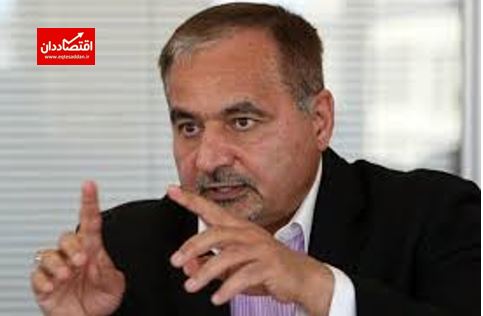
دکتر سید حسین موسویان استاد دانشگاه پرینستون امریکا با درج یادداشتی در اقتصاددان نوشت : دونالد ترامپ به عنوان چهل و هفتمین رئیسجمهور ایالات متحده آمریکا انتخاب شد. او در دوران تبلیغات انتخاباتیاش وعده داد که به جنگ در خاورمیانه پایان دهد، وعدهای که موجب جلب حمایت مسلمانان و اعراب مقیم ایالات متحده شد.
جنگهای ویرانگر اسرائیل در غزه و لبنان، همراه با درگیریهای متقابل با ایران، خاورمیانه را به نقطه جوش رسانده است و احتمال یک درگیری تمامعیار منطقهای فاجعهبار را افزایش داده است.
در سال گذشته، تقریباً تمامی جمعیت ۲.۳ میلیونی غزه آواره شدهاند و نزدیک به یکچهارم از جمعیت لبنان نیز خانههای خود را ترک کردهاند. تخمین زده میشود که شمار قربانیان غزه، شامل مرگهای مستقیم و غیرمستقیم، ممکن است در نهایت از ۱۸۶,۰۰۰ نفر فراتر رود.
بیش از ۱۵,۰۰۰ نفر در لبنان کشته یا مجروح شدهاند و بخش عمدهای از غزه توسط بمبارانهای اسرائیل ویران شده است، به طوری که مدارس، بیمارستانها و خانههای مسکونی نابود شدهاند.
استراتژی اسرائیل برای ریشهکن کردن حماس و حزبالله، همراه با حمایت کامل ایران از محور مقاومت و مردم فلسطین، به تشدید درگیریهای نظامی میان تلآویو و تهران دامن زده است. این وضعیت میتواند به یک درگیری طولانیمدت تبدیل شود و دکترین امنیت ملی ایران و چشمانداز سیاسی منطقه را دگرگون سازد.
با این حال، ترامپ در حالی وارد کاخ سفید میشود که ایران در آستانه تغییر دکترین امنیت ملی خود قرار دارد. از زمان انقلاب اسلامی ۱۹۷۹، سه رویداد منجر به تغییرات عمدهای در دکترین امنیت ملی ایران شدهاند.
اولین تغییر
اولین رویداد در دهه ۱۹۸۰، بخاطر تجاوز عراق به ایران رخ داد. ایران تحت تحریمهای بینالمللی قرار گرفت، در حالی که عراق، به عنوان متجاوز، از حمایت منطقهای و جهانی برخوردار بود، حتی با وجود استفاده رژیم صدام حسین از سلاحهای شیمیایی.
این تجربه، ایران را به سمت استراتژی «خودکفایی دفاعی» سوق داد که در آن تولید تجهیزات نظامی داخلی، از جمله موشکهای بالستیک، اولویت یافت.
علاوه بر این، ایران به دنبال تقویت بازدارندگی خود در خارج از مرزهای خود رفت تا با تهدید منافع دشمنان احتمالی در منطقه، آنان را از حمله بازدارد. تجربیات جنگ هشتساله و همچنین تحریمها و فشارهای مداوم غرب بهعنوان تلاشهایی برای تغییر نظام ، موجب شد که ایران با حمایت ایران از جنبشهایی چون حزبالله، حماس و حوثیهای یمن، عمق استراتژیک خود را تقویت کند.
دومین تغییر
تغییر بعدی در سال ۲۰۱۸ رخ داد. در حالی که ایران به طور کامل به تعهدات خود در توافق هستهای پایبند بود، دونالد ترامپ، رئیسجمهور وقت ایالات متحده، از این توافق خارج شد و تحریمها را مجدداً علیه ایران اعمال کرد و با تحریمهای ثانویه، شرکای تجاری اصلی ایران را نیز مجبور به همراهی کرد.
در پاسخ، ایران برنامه هستهای خود را گسترش داد و اورانیوم غنیشده نزدیک به سطح تسلیحاتی تولید کرد. همچنین گامی عمده به سمت برقراری روابط سیاسی و اقتصادی گستردهتر با قدرتهای بلوک شرق برداشت، از جمله عضویت کامل در سازمان همکاری شانگهای و بریکس.
ایران همچنین در مورد آمریکا و غرب، سیاست «نه جنگ و نه صلح» را اتخاذ کرد. رهبر عالی، آیتالله علی خامنهای، اظهار داشت: «نه مذاکره و نه جنگی در کار نخواهد بود … مذاکره با افرادی که به عهد خود وفادار نیستند، که به تعهدات خود پایبند نیستند و به هیچ چیزی متعهد نیستند – نه به اخلاق، نه به قانون، نه به کنوانسیونهای بینالمللی و نه به هیچ چیزی – مضحک است. «
سومین تغییر
سومین و آخرین تغییر ادر مقطع فعلی در حال رخ دادن است. چراغ سبز آمریکا و ناتو برای جنگهای اسرائیل در غزه و لبنان، همراه با ترور فرماندهان ارشد حماس، حزبالله و سپاه پاسداران انقلاب اسلامی، زمینه را برای دکترین جدید امنیت ملی ایران فراهم کرده که شامل شش عنصر اساسی میباشد.
اولین عنصر، ناتو است که بطور یکپارچه به دشمن ایران تبدیل شده است. تأمین مداوم سلاح برای حملات بیرحمانه اسرائیل به غزه و لبنان، همراه با درخواستهای یکجانبه برای خودداری ایران، موجب شده است ایران به این نتیجه برسد که نه تنها آمریکا و اسرائیل بلکه کل ناتو و اسرائیل، دشمنان آن هستند.
همانطور که دبیرکل ناتو، ینس استولتنبرگ، اخیراً گفته است: «اسرائیل تنها نخواهد ماند». بنابراین، استراتژی قبلی ایران برای بازدارندگی علیه آمریکا و اسرائیل ممکن است به بازدارندگی علیه ناتو، از جمله اعضای اروپایی آن، تغییر پیدا کند.
دومین عنصر، دستیابی ایران به سلاحهای هستهای است. بازدارندگی هستهای در دستور کار ایران قرار دارد. در این مرحله، ایران به عنوان یک کشور آستانهای هستهای با حملات نظامی مستقیم از سوی اسرائیل و حمایت ناتو روبهرو است. کمال خرازی، مشاور رهبر عالی ایران، اخیراً اشاره کرده است که ایران ممکن است دکترین هستهای خود را بازنگری کند. نظرسنجیای در اوایل امسال نشان داد که نزدیک به ۷۰ درصد از ایرانیها موافقاند که کشورشان باید سلاح هستهای داشته باشد.
سومین عنصر، احتمال ارتقای محور مقاومت در پی ترورهای هدفمند اسرائیل است. با نفوذ اسرائیل به بالاترین ردههای نهادهای امنیتی ایران و گروههای مقاومت، ایران و گروههایی که از آنها حمایت میکند ممکن است اصلاحات اساسی در ساختارهای سازمانی، امنیتی و ارتباطی خود انجام دهند.
در حقیقت، ترورهای قبلی نتواستهاند محور مقاومت را نابود کند و لذا حملات اخیر علیه حماس و حزبالله ممکن است به ظهور نسل جدیدی از مقاومت منجر شود.
ریان کروکر، سفیر پیشین ایالات متحده که دههها در دیپلماسی خاورمیانه فعالیت کرده است، به پولیتیکو گفت: «اگر باور کنیم که آسیبهایی که به رهبری حزبالله وارد شده و حذف [یحیی] سنوار و دیگر رهبران حماس به نوعی به یک دینامیک جدید برای صلح تبدیل میشود و میتوانیم از آن به یک توافق جهانی رویایی دست یابیم، این مسیر دیوانگی است ».
چهارمین عنصر در دکترین امنیت ملی در حال تحول ایران، ائتلاف با شرق است. حمایت نظامی ناتو از اسرائیل احتمالاً تهران را مجبور به بررسی یک ائتلاف نظامی بلندمدت با قدرتهای بلوک شرق خواهد کرد. در حالی که همکاری نظامی فعلی میان روسیه و ایران، زمینه چنین سیاستی را فراهم کرده است، هنوز مشخص نیست که چین یا هند در این ائتلاف شرکت خواهند کرد.
پنجمین عنصر، دستیابی ایران به سیستمهای جدید دفاع هوایی است. ایران دارای تواناییهای نسبتاً قوی در زمینه موشکهای تهاجمی است، اما نیاز دارد تا تواناییهای دفاعی خود را در برابر موشکهای اسرائیل و جنگندههای F-35 تقویت کند. موافقت روسیه برای تأمین جتهای سوخو Su-35 و یا سیستمهای دفاع هوایی S-400 برای ایران، نشان خواهد داد که آیا روابط آنها به سطح یک مشارکت استراتژیک خواهد رسید یا خیر.
ششمین عنصر، استراتژی قبلی ایران در مورد «نه جنگ و نه صلح» ممکن است به «هم جنگ و هم صلح» تبدیل شود. همانطور که وزیر امور خارجه عباس عراقچی اخیراً اشاره کرده است: «جمهوری اسلامی ایران به دنبال تشدید تنش، درگیری و جنگ نیست، اگرچه برای هر وضعیتی آماده است. ما برای جنگ آمادهایم همانطور که برای صلح آمادهایم. »
اما مهم این است که ادامه رویارویی نظامی بین اسرائیل و ایران، همراه با حملات مداوم اسرائیل به لبنان و غزه، تهدیدی برای یک جنگ منطقهای گسترده است که اصلیترین بازندگان آن ایالات متحده، اسرائیل و ایران خواهند بود.
لذا دیپلماسی تنها گزینه برای جلوگیری از وضعیتی غیرقابل کنترل در خاورمیانه است. کشتارهای جمعی، ترورها و تخریب زیرساختهای عمومی نمیتوانند صلح به ارمغان آورند؛ بلکه فقط نفرت، افراطگرایی و دشمنی را افزایش خواهند داد.
ترامپ فرصت دارد تا جنگهای اسرائیل علیه غزه و لبنان را پایان دهد و درگیریهای نظامی بین اسرائیل و ایران را مهار کند. مهار بحران کنونی در خاورمیانه نیازمند اقدامات مهمی است از جمله چهار مورد ذیل:
الف) آتشبس میان ایران و اسرائیل ؛
ب) پایان دادن به حملات اسرائیل به لبنان و غزه؛
ج) مبادله زندانیان بین اسرائیل و حماس. اجرای قطعنامههای سازمان ملل در مورد راهحل دو دولتی همچنین گامی مهم به سوی امنیت منطقه خاورمیانه خواهد بود.
د) و در نهایت، ثبات و امنیت در خاورمیانه نیازمند پایان دادن به دشمنیهای جاری میان ایران و جهان غرب است.
گفتوگوهای جامع و جدی بین ایران و غرب باید آغاز شود. چنین گفتوگوهایی شانس ترامپ را برای دستیابی به یک توافق بزرگ با ایران افزایش خواهد داد.
How Israel’s wars and Trump comeback are changing Iran’s national security doctrine
6 November 2024
The ongoing conflicts in Gaza and Lebanon are redefining Tehran’s strategy, as it solidifies alliances with eastern powers and prepares to face off against Nato
On Tuesday, Donald Trump was elected as the 47th president of the United States. During his election campaign, he promised to end the war in the Middle East, which helped him gain the support of Muslim-Americans and Arab-Americans.
Israel’s devastating wars on Gaza and Lebanon, along with back-and-forth attacks involving Iran, have brought the Middle East to a boiling point, amid the prospect of a disastrous, all-out regional conflict.
Over the past year, almost all of Gaza’s 2.3 million people have been displaced, while nearly a quarter of the Lebanese population have fled their homes. It is estimated that the death toll in Gaza, including both direct and indirect deaths, could ultimately exceed 186,000.
More than 15,000 Lebanese people have been killed or injured, and most of Gaza has been levelled by Israeli bombs, with schools, hospitals and residential homes destroyed.
Israel’s strategy to eradicate Hamas and Hezbollah, coupled with Iran’s full support for the axis of resistance and the Palestinian people, have fuelled the military confrontation between Tel Aviv and Tehran. This could turn into a prolonged back-and-forth conflict, shifting Iran’s national security doctrine and the regional political landscape.
Top of Form
Bottom of Form
However, Trump is entering the White House at a time when Iran is on the verge of changing its national security doctrine.
Since the 1979 Islamic revolution, three events have led to major shifts in Iran’s national security doctrine.
The first came in the 1980s, during the Iran-Iraq war. Iran was hit with sanctions amid regional and international support for the aggressor, Iraq, even as Saddam Hussein’s regime used chemical weapons.
This experience pushed Iran towards a strategy known as “defensive self-reliance”, through which it prioritised the domestic production of military equipment, including ballistic missiles.
Moreover, Iran sought to project power beyond its borders to deter potential aggressors by threatening their interests in the region. Iran’s support for movements such as Hezbollah, Hamas and Yemen’s Houthis stems from the experiences of the eight-year war, coupled with continued western sanctions and pressures, seen in Tehran as being aimed at regime change.
‘Neither war nor peace’
The next shift came in 2018. While Iran was fully complying with its commitments under the nuclear deal, former US President Donald Trump withdrew from the agreement and reimposed sanctions on Iran, using secondary sanctions to force Tehran’s major trading partners to do the same.
In response, Iran expanded its nuclear programme and produced uranium enriched to near weapons-grade levels. It also made a major pivot towards establishing broader political and economic relations with eastern bloc powers, including full membership in the Shanghai Cooperation Organisation and Brics.
Towards the US and the West more generally, Iran adopted a policy of “neither war nor peace”, with Supreme Leader Ayatollah Ali Khamenei stating: “There will be no negotiations and no war … Negotiating with people who break their promises, who go back on their commitments, and who are not committed to anything – they are not committed to morality, to legality, to international conventions and to anything – is ridiculous.”
The third and final shift is happening today. The US and Nato’s carte blanche support for Israel’s wars on Gaza and Lebanon, along with the assassinations of top Hamas, Hezbollah and Revolutionary Guards commanders, are spurring the development of a revised Iranian national security doctrine defined by six elements.
Stability and security in the Middle East requires an end to the ongoing hostilities between Iran and the western world
Firstly, Nato has become an enemy. Its continuing supply of weapons for Israel’s indiscriminate attacks on Gaza and Lebanon, along with one-sided calls for Iranian restraint, have led Iran to conclude that Nato, as well as Israel, is its adversary.
As Nato Secretary General Jens Stoltenberg recently said: “Israel does not stand alone.” Iran’s previous strategy of deterrence against the US and Israel may thus shift to deterrence against Nato, including its European members.
The second element is Iran’s acquisition of nuclear weapons. Nuclear deterrence is on its agenda. At this stage, Iran is a nuclear threshold state facing direct military attacks on its territory by Israel, with Nato’s support. Kamal Kharrazi, an adviser to Iran’s supreme leader, recently noted that Iran may review its nuclear doctrine, after a survey earlier this year showed that nearly 70 percent of Iranians agreed the country should possess nuclear weapons.
Thirdly, Iran may be looking to upgrade the axis of resistance in the wake of Israel’s targeted assassinations. With Israel managing to infiltrate the upper echelons of Iran’s security establishments, Iran and the groups it supports may undertake fundamental reforms to their organisational, security and communications structures.
Alliance with the east
Indeed, previous assassinations have failed to defeat Israel’s adversaries, and the latest strikes against Hamas and Hezbollah could fuel the rise of a new generation of resistance.
“If we believe that the damage done to Hezbollah’s leadership and the elimination of [Yahya] Sinwar and other Hamas leaders somehow translates into a new dynamic for peace, that we can somehow lever that into a visionary global settlement – that way lies madness,” former US ambassador Ryan Crocker, who spent decades working on Middle East diplomacy, told Politico.
The fourth element of Iran’s evolving national security doctrine is an alliance with the east. Nato’s military support for Israel will likely push Tehran to consider a long-term military alliance with eastern powers. While the current military cooperation between Russia and Iran has laid the groundwork for such a policy, it is unclear whether China or India would be future partners
Fifthly, there is Iran’s acquisition of air defence systems. Iran has relatively strong offensive missile capabilities, but it needs to enhance its defensive capabilities against Israel’s missiles and F-35 fighter jets. Russia’s willingness to provide Iran with Sukhoi Su-35 jets and/or S-400 air defence systems will indicate whether their relations will reach the level of a strategic partnership.
Finally, Iran’s previous strategy of “neither war nor peace” may turn into “both war and peace”. As Foreign Minister Abbas Araghchi recently noted: “The Islamic Republic of Iran does not seek an escalation of tension, conflict and war, although it is ready for any situation. We are prepared for war as we are prepared for peace.”
As the continuation of a military confrontation between Israel and Iran, along with Israel’s ongoing attacks on Lebanon and Gaza, threaten a widespread regional war, the main losers would be the US, Israel and Iran. Diplomacy is the only option to avoid an unmanageable situation in the Middle East. Mass killings, assassinations and the destruction of public infrastructure cannot bring peace; rather, they will increase hatred, extremism and hostility.
Trump has the chance to end the Israeli wars against Gaza and Lebanon and to curb the military confrontations between Israel and Iran.
Containing the current crisis in the Middle East will require a ceasefire between Iran and Israel; an end to Israel’s attacks on Lebanon and Gaza; and an exchange of prisoners between Israel and Hamas. The implementation of UN resolutions on a two-state solution would also mark a significant step towards the security of the Middle East region.
Ultimately, stability and security in the Middle East requires an end to the ongoing hostilities between Iran and the western world. A comprehensive and serious dialogue must get underway.
Such talks will increase Trump’s chances for a grand deal with Iran
مخاطب گرامی، ارسال نظر پیشنهاد و انتقاد نسبت به خبر فوق در بخش ثبت دیدگاه، موجب امتنان است.
ع