
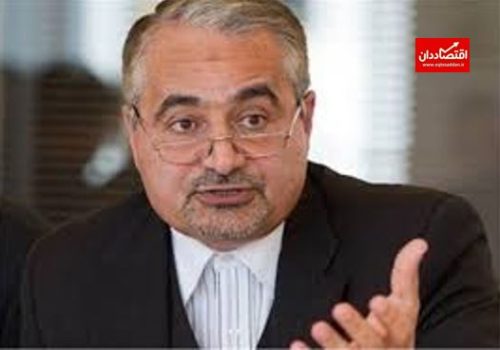
دکتر سید حسین موسویان استاد دانشگاه پرینستون امریکا با درج یادداشتی در اقتصاددان نوشت : بحران هستهای ایران به نقطهای رسیده است که دیگر نمیتوان آن را صرفاً یک اختلاف فنی یا حقوقی در چارچوب معاهده منع گسترش سلاحهای هستهای تلقی کرد. این بحران به چالشی عمیقاً امنیتمحور، ژئوپلیتیکی و ساختاری تبدیل شده است که سرنوشت آن بهطور مستقیم با آینده نظم عدم اشاعه در خاورمیانه و فراتر از آن گره خورده است. اگر مذاکراتی که قرار است روز جمعه میان ایران و ایالات متحده برگزار شود بخواهد مؤثر و پایدار باشد، باید از رویکردهای تکموضوعی عبور کرده و به سمت گفتوگویی جامع، مستقیم و مرحلهبندیشده حرکت کند.
قالب و محل مذاکرات ایران–آمریکا.
نخستین دور گفتوگوها میان عباس عراقچی، وزیر امور خارجه ایران، و استیو ویتکاف، نماینده آمریکا، در ۱۲ آوریل ۲۰۲۵ در مسقط عمان برگزار شد. به اصرار ایران، این مذاکرات «غیرمستقیم» تعریف شد. من در ۸ آوریل ۲۰۲۵ در توییتی تأکید کردم که مذاکرات مستقیم—بهویژه در تهران—میتواند شانس دستیابی به توافقی آبرومندانه، واقعبینانه و بهموقع را بهطور چشمگیری افزایش دهد. تأکید کردم که «اتلاف وقت به نفع هیچیک از دو کشور نیست». با وجود این هشدارها، نزدیک به ۱۰ ماه از دست رفت؛ دورهای که طی آن منطقه متحمل خسارات سنگین و تأسفباری شد.
اکنون به نظر میرسد تهران با گفتوگوهای مستقیم میان ویتکاف، داماد و مشاور کلیدی رئیسجمهور ترامپ، جرد کوشنر، و عراقچی—بار دیگر در عمان—موافقت کرده است. با این حال، مؤثرترین قالب در ادامه مسیر، برگزاری گفتوگوهای مستقیم ابتدا در تهران و سپس در واشنگتن خواهد بود. این فرمول نهتنها تابوهای سیاسی دیرینه را میشکند، بلکه امکان درک متقابل عمیقتری را نیز فراهم میکند. سفر ویتکاف و کوشنر به تهران به آنان اجازه میدهد نهفقط با وزیر امور خارجه، بلکه با دیگر تصمیمگیران کلیدی از جمله دبیر شورای عالی امنیت ملی، نمایندگان مجلس و نهادهای ذیربط گفتوگو کنند—تعاملاتی که برای دستیابی به هر توافق پایدار ضروری است. عراقچی نیز در واشنگتن باید نهتنها با مذاکرهکنندگان آمریکایی، بلکه با رئیسجمهور ترامپ، مقامات پنتاگون و اعضای کنگره آمریکا گفتوگو کند تا درک روشنتری از فضای سیاسی کنونی واشنگتن به دست آورد.
چرا توافق تکموضوعی پایدار نیست.
در صدها مقاله و مصاحبه از سال ۲۰۱۳ تاکنون، استدلال کردهام که یک توافق تکموضوعی—حتی اگر در پرونده هستهای موفق باشد—ذاتاً بیثبات خواهد بود. در شرایط کنونی، سه مسئله محوری نیازمند راهحلهایی معقول، آبرومندانه و پایدار هستند.
مطالبه آمریکا برای غنیسازی صفر.
پیش از مذاکرات، ایالات متحده خواستار توقف کامل غنیسازی اورانیوم از سوی ایران و واگذاری ذخایر حدود ۴۰۰ کیلوگرمی اورانیوم با غنای بالا شده است؛ اقداماتی که از احتمال انحراف تهران بهسوی تسلیحاتی شدن جلوگیری میکند. از سال ۲۰۱۳، گروهی از دانشمندان برجسته هستهای دانشگاه پرینستون و من، پیشنهاد «کنسرسیوم مشترک هستهای و غنیسازی» برای خلیج فارس و خاورمیانه بزرگتر را مطرح کردهایم تا ایران بتواند برنامه صلحآمیز هستهای خود را ادامه دهد و در عین حال، آمریکا و کشورهای منطقه اطمینان یابند که این برنامه پوششی برای تولید سلاح هستهای نخواهد بود. این پیشنهاد بارها—حتی تا ۱۰ روز پیش از حملات اسرائیل و آمریکا به ایران در سال ۲۰۲۵—مطرح شد، اما متأسفانه مورد توجه جدی قرار نگرفت.
امروز، تنها راهحل واقعبینانه برای مسئله غنیسازی اورانیوم، ایجاد یک کنسرسیوم مشترک هستهای و غنیسازی با مشارکت ایران، ترکیه، مصر، عربستان سعودی، کشورهای عربی خلیج فارس و قدرتهای بزرگ جهانی است. این الگو همزمان نگرانیهای مربوط به اشاعه هستهای را برطرف میکند و دسترسی برابر به فناوری صلحآمیز هستهای را تضمین میسازد.
توان موشکی و دفاعی ایران.
توان دفاعی، تضمین نهایی تمامیت ارضی، حاکمیت و امنیت ملی است. از سال ۲۰۱۳، بارها دو توافق منطقهای را توصیه کردهام: یک “معاهده تسلیحات متعارف” و “یک پیمان عدم تجاوز” میان کشورهای خلیج فارس و خاورمیانه. معاهده تسلیحات متعارف منطقهای، توازن قدرت دفاعی را تضمین میکند و پیمان عدم تجاوز، بنیان امنیت جمعی را میگذارد. بدون این چارچوبها، انتظار محدودیتهای یکجانبه بر توان دفاعی ایران نه واقعبینانه است و نه پایدار.
حمایت ایران از «محور مقاومت» و نظم امنیتی منطقهای.
کتاب من با عنوان “ساختاری نو برای امنیت، صلح و همکاری در خلیج فارس“ چارچوبی جامع برای همکاری منطقهای و امنیت جمعی، از جمله منطقه عاری از سلاح هستهای و سلاحهای کشتار جمعی، ارائه میدهد. این چارچوب امکان پیشرفت در چهار مسئله اصلی را فراهم میکند: الف) نقش بازیگران غیردولتی و شبهدولتی؛ ب) امنیت خلیج فارس و انرژی؛ ج) خصومت میان ایران، ایالات متحده و اسرائیل؛ و د) خروج امن و منظم آمریکا از منطقه.
اگر قرار است به توافقی پایدار دست یافت، ایران و اسرائیل باید به تهدیدهای متقابل موجودیتی، نظامی و امنیتی پایان دهند. من در سال ۲۰۲۳ پیشنهاد کردم: «با وجود اختلافات جدی، ایالات متحده و چین هر دو نگران این منازعه هستند. چین روابط نزدیکی با ایران دارد و اسرائیل شریک راهبردی آمریکا است؛ این امر آنها را به میانجیهای واجد صلاحیت و کانالهای ارتباطی مناسب تبدیل میکند».
هشداری به واشنگتن: پرونده هستهای ایران و آینده عدم اشاعه.
نظم جهانی عدم اشاعه در حال گذار بنیادین است. جهان از سیستمی که راهبرد هستهای را بر پایه داشتن یا نداشتن سلاح هستهای تعریف میکرد، بهسوی سیستمی حرکت میکند که بر موقعیتیابی، بازگشتپذیری و اختیار راهبردی استوار است.
کشورهای دارای سلاح هستهای نهتنها در عمل به تعهدات معاهدهان.پی.تی برای تلاش صادقانه در جهت خلع سلاح هستهای ناکام ماندهاند، بلکه بهطور فعال در حال نوسازی و گسترش زرادخانههای خود هستند. همزمان، برخی کشورهای غیرهستهای که با تهدیدات امنیتی مواجهاند، بهدنبال بازدارندگی بدون تسلیح رسمی و اهرم سیاسی بدون گسست حقوقی هستند.
پرونده ایران نشان داد که پایبندی کامل به برنامه جامع اقدام مشترک ۲۰۱۵ (برجام) و همکاری بیسابقه با آژانس بینالمللی انرژی اتمی، امنیتی برای ایران به همراه نداشت. خروج آمریکا از توافق، اعمال تحریمهای گسترده و سپس حملات نظامی، پیامی روشن به دولت ایران منتقل کرد: خویشتنداری حداکثری میتواند به آسیبپذیری منجر شود. در همین حال، اسرائیل—خارج از معاهده ان.پی.تی و برخوردار از حمایت بیقیدوشرط آمریکا—تنها دارنده سلاح هستهای در منطقه باقی مانده است.
برای نخستین بار در تاریخ عدم اشاعه هستهای، تأسیسات هستهایِ تحت پادمانِ یک کشور غیرهستهای مورد حمله قرار گرفت، بیآنکه محکومیت معناداری از سوی آژانس یا شورای امنیت سازمان ملل صورت گیرد. این رخداد، معنای تعهدات عدم اشاعه را بهطور بنیادین تغییر داده است.
نتیجهگیری
اگر بحران هستهای ایران بهعنوان مسئلهای محدود، خاصِ ایران و با تعریفی تنگنظرانه برخورد شود، به توافقی پایدار منجر نخواهد شد. برعکس، این رویکرد گسترش «ابهام هستهای» را در سراسر خاورمیانه تسریع خواهد کرد؛ بهگونهای که کشورهای متعددی بهدنبال کسب توانمندی ساخت سلاح هستهای خواهند رفت، حتی اگر فوراً اقدام به ساخت آن نکنند. بنابراین، هر توافق هستهای جدید میان ایران و ایالات متحده باید بهطور محکم بر اصول و تعهدات معاهده منع گسترش سلاحهای هستهای معاهده ان.پی.تی استوار باشد و بهشکلی متوازن، غیرتبعیضآمیز و معتبر اجرا شود. سرنوشت مذاکرات ایران و آمریکا بهطور جداییناپذیر با آینده عدم اشاعه در منطقه و جهان پیوند خورده است. تصمیمهایی که امروز گرفته میشود، امنیت منطقهای و بینالمللی را برای دههها شکل خواهد داد.
Why Iran–US negotiations must move beyond a single-issue approach to the nuclear problem
By Seyed Hossein Mousavian | February 5, 2026
Iran’s nuclear crisis has reached a point at which it can no longer be treated as a purely technical or legal dispute within the framework of the Nuclear Non-Proliferation Treaty (NPT). It has evolved into a deeply security-driven, geopolitical, and structural challenge whose outcome is directly tied to the future of the nonproliferation order in the Middle East and beyond. If the negotiations scheduled for Friday between Iran and the United States are to be effective and durable, they must move beyond single-issue approaches and toward a comprehensive, direct, and phased dialogue.
The format and venue of Iran–US negotiations. The first round of talks between Iranian Foreign Minister Abbas Araghchi and US envoy Steve Witkoff took place on April 12, 2025, in Muscat, Oman. At Iran’s insistence, these negotiations were defined as “indirect.” On April 8, 2025, I emphasized in a tweet that direct negotiations—particularly in Tehran—would significantly increase the chances of reaching a dignified, realistic, and timely agreement. “Wasting time is not in the interest of either country,” I insisted. Despite these warnings, nearly 10 months were lost, during which the region suffered heavy and regrettable losses.
It now appears that Tehran has agreed to direct talks among Witkoff, son-in-law and key adviser to President Trump Jared Kushner, and Araghchi, again in Oman. The most effective format going forward, however, would be to hold direct talks in Tehran and then in Washington. This formula would not only break long-standing political taboos but also enable deeper mutual understanding. A visit by Witkoff and Kushner to Tehran would allow them to engage not only with the foreign minister but also with other key decision-makers, including the secretary of the Supreme National Security Council, members of parliament, and relevant institutions—engagement that is essential if any sustainable agreement is to be achieved. Araghchi should engage in Washington not only with US negotiators, but also with President Trump, officials from the Pentagon, and members of the US Congress, to gain a clearer understanding of the current political environment in Washington.
Why a single-issue agreement is not sustainable. In hundreds of articles and interviews since 2013, I have argued that a single-issue agreement—even if successful on the nuclear file—will be inherently unstable. Under current conditions, three core issues require reasonable, dignified, and lasting solutions.
The US demand for zero enrichment. Ahead of negotiations, the United States is demanding that Iran entirely stop all uranium enrichment and give up its stockpile of around 400-kilograms of highly enriched uranium, steps that would prevent Tehran from possible diversion toward weaponization. Since 2013, a group of prominent nuclear scientists from Princeton University and I have proposed a “joint nuclear and enrichment consortium” for the Persian Gulf and the broader Middle East as a way for Iran to continue its peaceful nuclear program and for the United States and regional countries to be reassured that program will not be used as a cover for the production of nuclear weapons. This proposal was repeatedly articulated—up to 10 days before the 2025 Israeli and US attacks on Iran—but unfortunately failed to gain serious attention.
Today, the only realistic solution to the question of uranium enrichment remains the establishment of a joint nuclear and enrichment consortium involving Iran, Turkey, Egypt, Saudi Arabia, the Arab states of the Persian Gulf, and major global powers. This model would address nuclear proliferation concerns while safeguarding equal access to peaceful nuclear technology.
Iran’s missile and defensive capabilities. Defensive capabilities are the ultimate guarantor of territorial integrity, sovereignty, and national security. Since 2013, I have repeatedly recommended two regional agreements: a conventional weapons treaty and a non-aggression pact among the states in the Persian Gulf and the Middle East. A regional conventional weapons treaty would ensure a balance of defensive power, while a non-aggression pact would lay the foundation for collective security. Without these frameworks, expectations for unilateral limitations on Iran’s defensive capabilities are neither realistic nor sustainable.
Iran’s support for the “axis of resistance” and regional security order. My book, A New Structure for Security, Peace, and Cooperation in the Persian Gulf, presented a comprehensive framework for regional cooperation and collective security, including a nuclear and weapons of mass destruction free zone. This framework would enable progress on four major issues: the roles of non-state and semi-state actors; the Persian Gulf and energy security; the antagonism among Iran, the United States, and Israel; and a safe and orderly US withdrawal from the region.
If a sustainable agreement is to be reached, Iran and Israel must put an end to mutual existential, military, and security threats. “Despite major differences, the United States and China both worry about the conflict. China has close Iran relations, and Israel is a US strategic partner, making them qualified mediators serving as communication channels,” I suggested in 2023.
A warning to Washington: Iran’s nuclear file and the future of nonproliferation. The global non-proliferation order is undergoing a fundamental transition. The world is moving away from a system in which nuclear strategy is defined by possession or non-possession of nuclear weapons, and toward one defined by positioning, reversibility, and strategic optionality.
Nuclear-weapon states have not only failed to meet their NPT obligations to make good-faith efforts toward nuclear disarmament; they are also actively modernizing and expanding their arsenals. At the same time, some non-nuclear states that face threats to their security are seeking deterrence without formal weaponization, and political leverage without legal rupture.
The Iranian case demonstrated that full compliance with the 2015 Joint Comprehensive Plan of Action (aka the Iran nuclear deal) and unprecedented cooperation with the International Atomic Energy Agency (IAEA) did not produce security for Iran. The US withdrawal from the agreement, the imposition of sweeping sanctions, and subsequent military attacks conveyed a clear message to the Iranian government: Maximum restraint can create vulnerability. Meanwhile, Israel—outside the NPT and enjoying unwavering US support—remains the region’s sole nuclear-armed state.
For the first time in the history of nuclear non-proliferation, safeguarded nuclear facilities of a non-nuclear-weapon state were attacked, without meaningful condemnation from either the IAEA or the UN Security Council. This episode has fundamentally altered the meaning of non-proliferation commitments.
The conclusion is clear: If Iran’s nuclear crisis is treated as a narrowly defined, Iran-specific issue, it will not lead to a sustainable agreement. Instead, it will accelerate the spread of “nuclear ambiguity” across the Middle East as multiple countries seek the capability to build nuclear weapons, even if they do not immediately construct weapons. Any new nuclear agreement between Iran and the United States must therefore be firmly grounded in the principles and obligations of the Nuclear Non-Proliferation Treaty (NPT), applied in a balanced, non-discriminatory, and credible manner. The fate of Iran-US negotiations is inseparably linked to the future of non-proliferation in the region and around the world. Decisions made today will shape regional and international security for decades to come.
مخاطب گرامی، ارسال نظر پیشنهاد و انتقاد نسبت به خبر فوق در بخش ثبت دیدگاه، موجب امتنان است.
ع