
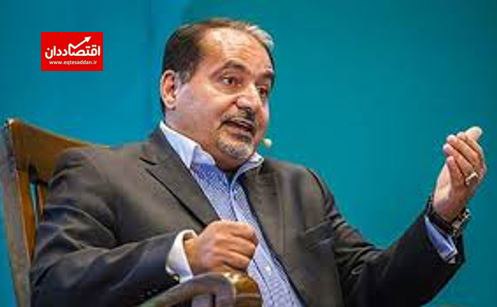
دکتر سید حسین موسویان استاد دانشگاه پرینستون امریکا با درج یادداشتی در اقتصاددان نوشت :
- شانس ترامپ برای بن بست شکنی در روابط غرب با ایران
- مذاکرات ایران با اروپای منهای آمریکا به نتیجه نمیرسد
- تنها راه خروج از بحران فعلی بستگی به نحوه تعامل ایالات متحده و ایران در دوران ریاستجمهوری ترامپ دارد.
هفته گذشته، هشت هفته قبل از بازگشت دونالد ترامپ به کاخ سفید، آژانس بینالمللی انرژی اتمی قطعنامهای را که توسط بریتانیا، فرانسه و آلمان پیشنهاد شده بود، تصویب کرد. این قطعنامه از مدیر کل آژانس میخواهد تا بهار 1404 ارزیابیای «جامع و بهروز» از فعالیتهای هستهای ایران ارائه دهد تا مبنایی برای ارجاع پرونده هسته ای ایران به شورای امنیت سازمان ملل فراهم شود و در نتیجه، بازگشت تحریمهای شورای امنیت پیش از مهر 1404، زمانی که پرونده برجام در شورای امنیت سازمان ملل باید بسته شود، اجرایی گردد.
در پاسخ، ایران مجموعهای از سانتریفیوژهای جدید و پیشرفته را به بهرهبرداری رسانده است که توانایی آن در غنیسازی اورانیوم را گسترش میدهد. در عین حال ایران اطمینان داد که همچون گذشته همکاری فنی و نظارتی با آژانس بینالمللی انرژی اتمی را در چارچوب موافقتنامه پادمان ادامه خواهد داد، یعنی ایران از معاهده منع گسترش تسلیحات هستهای خارج نخواهد شد. با این حال، ایران و سه کشور اروپایی توافق کردند که روز جمعه در ژنو مذاکراتی برگزار کنند تا به راهحلی ممکن برای بنبست هستهای ایران دست یابند. ایالات متحده از مشارکت در این مذاکرات امتناع کرده است.
بیست سال پیش، من سخنگوی تیم هسته ای ایران بودم که از مهر 1382 مذاکرات با سه کشور اروپایی آغاز شد. تا بهار 1384، مذاکرات هسته ای ایران و سه کشور اروپایی به توافق نهایی نزدیک شده بود، اما دولت جورج بوش، از طریق بریتانیا، توافق را وتو کرد، زیرا این توافق به ایران اجازه میداد که برنامه غنیسازی محدود اورانیوم خود را ادامه دهد. جک استراو وزیر خارجه وقت انگلیس گفت: “بدون مداخله آمریکا، ما میتوانستیم واقعاً پرونده هستهای ایران را در سال 1384 حل کنیم و احتمالاً بهدلیل شکست مذاکرات، رئیسجمهور احمدینژاد را هم نداشتیم”. بعد از شکست مذاکرات هسته ای، احمدینژاد، یک اصولگرا، بعد خاتمی اصلاحطلب، رئیس جمهورشد.
پس از پیروزی احمدینژاد در انتخابات ریاستجمهوری 1384، ایران برنامه غنیسازی خود را از سر گرفت و آژانس بینالمللی انرژی اتمی پرونده ایران را به شورای امنیت سازمان ملل ارجاع داد که منجر به تصویب چندین قطعنامه تحریمی علیه ایران شد. در پاسخ، ایران هم میزان غنیسازی خود را افزایش داد و هم سطح غنیسازی اورانیوم را بالاتر برد. تا سال 1394، ایران قادر بود در عرض دو ماه مقدار کافی اورانیوم با درجه تسلیحاتی برای ساخت یک بمب هستهای تولید کند. هم ایران و هم آمریکا خود را در موقعیتی باخت-باخت میدیدند لذا در سال 1392 وارد مذاکرات مستقیم شدند و در نهایت به توافق برجام در سال 1394 منجر شد، که پروتکلهای بازرسی سختگیرانهای را بر تاسیسات هستهای ایران اعمال کرد و زمان گریز ایران برای ساخت بمب را به حدود 12 ماه افزایش داد.
پس از آنکه رئیسجمهور ترامپ، ایالات متحده را از توافق هستهای ایران خارج کرد، رئیسجمهور بایدن این خروج را به موضوعی در کمپین انتخاباتی آمریکا درسال 1399 تبدیل کرد. او گفت: “پنج سال پیش، دیپلماسی تحت رهبری آمریکا توافقی را به دست آورد که تضمین میکرد ایران حداقل یک سال زمان لازم دارد تا مقدار کافی مواد شکافتپذیر برای یک بمب تولید کند. حالا—بهدلیل اینکه ترامپ ایران را از تعهداتش تحت توافق هستهای معاف کرد—زمان گریز تهران به چند ماه کاهش یافته است”. اخیراً بایدن هشدار داد که اگر ایران بمب هستهای را بدست آورد، عربستان سعودی، ترکیه و مصر نیز پیروی خواهند کرد.
اخیرا جان کری وزیر خارجه وقت آمریکا نیز گفته: “این توافق قویترین توافق هستهای بود که ایالات متحده از دهه 1950 تاکنون امضا کرده است”. ایران به مدت سه سال به طور کامل به تعهدات خود تحت برجام پایبند بود تا اینکه ترامپ از توافق خارج شد. این امر منجر به یک سری تحریمهای تازه از سوی غرب و افزایش سطح غنیسازی از سوی ایران شد. از سال 1397 به بعد، ایالات متحده و متحدانش هزاران تحریم علیه ایران اعمال کردهاند و در پاسخ، ایران به یک کشوردر “آستانهای تسلیحات هستهای” تبدیل شده است.
زمانی که ترامپ در سال 1397 از برجام خارج شد، اروپا تلاش کرد تا توافق را اجرا کند، اما به دلیل تحریمهای ثانویه ایالات متحده علیه شرکتهای خارجی که با ایران تجارت میکردند، نتوانست این کار را انجام دهد. اکنون، به دلیل اینکه ایران در مسائل مختلف به سمت روسیه و چین رفته است، موضع غرب علیه ایران حتی خصمانهتر شده است.
اروپا در تلاش است تا مذاکرات هستهای با ایران را احیا کند، اما به دلیل از دست دادن امتیازات قبلی خود بر ایران، احتمالاً این مذاکرات به دلایل پنجگانه ذیل شکست خواهد خورد:
- در سال 1382، اروپا روابط اقتصادی گستردهای با ایران داشت، اما به دلیل تحریمهای ثانویه ایالات متحده، این روابط به چین منتقل شده است.
- عمان و قطر در سالهای اخیر نقش میانجیگری بین ایران و ایالات متحده را به عهده گرفتهاند و این امر موقعیت اروپا را بیشتر تضعیف کرده است.
- اتحادیه اروپا در داخل خود دچار بحران سیاسی است.
- در قالب برجام ایران و به دلیل رفع تحریمها، پذیرای قویترین مکانیسمهای راستیآزمایی و شفافیت در تاریخ عدم گسترش تسلیحات هستهای شد. اما اکنون، با قطعنامه جدید آژانس بینالمللی انرژی اتمی، سه کشور اروپایی از ایران خواستهاند که به مکانیسمهای راستیآزمایی برجام بازگردد—در حالی که اروپا توانایی ارائه امتیازات متقابل برای لغو تحریمهای کلیدی را ندارد.
- و آخرین نکته، اروپا قرار است مسائل منطقهای و اوکراین را مطرح کند. اما باز هم، اروپا هیچ توانی برای ارائه امتیازات متقابل به ایران در مورد رفع تحریمهای آمریکا را ندارد.
آغاز مذاکرات جدید بین ایران و سه کشور اروپایی گامی مثبت و ضروری است، اما همانطور که من بیش از دو دهه است بر آن تأکید کردهام، در غیاب ایالات متحده، هیچ توافقی ممکن نخواهد بود. تنها راه خروج از بحران فعلی بستگی به نحوه تعامل ایالات متحده و ایران در دوران ریاستجمهوری ترامپ دارد. اگر ترامپ به سیاست قبلی خود یعنی «فشار حداکثری» بازگردد و رویاروییهای نظامی اسرائیل و ایران ادامه یابد، احتمالاً ایران از مرز خواهد گذشت و از آستانه توانمندی هستهای به سمت ساخت سلاحهای هستهای حرکت خواهد کرد.
اما ترامپ همچنین فرصتی طلایی دارد—نه تنها برای حل بحران هستهای بلکه برای پایان دادن به ۴۰ سال دشمنی میان غرب و ایران و حل بحران منطقهای فعلی.
او میتواند با پیروی از سه اصل، تاریخ ساز شود:
اولین اصل این است که واشنگتن و تهران مذاکرات مستقیم سطح بالا را از سر بگیرند.
دومین اصل این است که به یک توافق هستهای پایدار دست یابیم که برای هر دو طرف آبرومندانه و برد-برد باشد. چنین توافقی نیازمند اجرای کامل معاهده منع گسترش تسلیحات هستهای (NPT)، با حداکثر شفافیت و راستیآزمایی برنامه هستهای ایران در ازای لغو تحریمها علیه ایران خواهد بود.
فراتر از آن، و به عنوان بهترین تضمین بلندمدت برای عدم گسترش تسلیحات هستهای، هشت کشور کشورهای حاشیه خلیج فارس میتوانند در چارچوب یک توافق بزرگتر در زمینه امنیت و همکاری جمعی، یک معاهده برای ایجاد یک منطقه عاری از سلاحهای هستهای در منطقه خلیج فارس امضا کنند.
سومین اصل این است که مذاکرات جامع در مورد نه تنها مسئله هستهای بلکه در مورد وضعیت خطرناکی که هماکنون در سراسر خاورمیانه در جریان است، برگزار شود. بهبود روابط ایران و عربستان سعودی فرصتی برای ایالات متحده فراهم کرده است تا از یک توافق جامع بین هشت کشور حاشیه خلیج فارس برای ایجاد یک سیستم امنیت و همکاری جمعی حمایت کند.
رئیسجمهور ترامپ همچنین فرصتی برای پایان دادن به رویاروییهای نظامی بین ایران و اسرائیل دارد و با فشار آوردن بر اسرائیل برای اجرای قطعنامههای سازمان ملل که خواهان راهحل دو دولتی برای فلسطین هستند، میتواند به بحران ۸۰ ساله فلسطین پایان دهد و قطعنامه سازمان ملل در مورد خاورمیانه عاری از تسلیحات هستهای را محقق کند.
مردم ایران در انتخابات اخیر خود، یک سیاستمدار میانهرو را به ریاست جمهوری انتخاب کردند. مسعود پزشکیان در پی آشتی با غرب است. این فرصتی است که ایالات متحده و رئیسجمهور ترامپ نباید آن را از دست بدهند.
Trump’s chance for a major breakthrough in Iran-West relations
By Seyed Hossein Mousavian | November 27, 2024
Atomic Energy Agency (IAEA) adopted a resolution put forward by the UK, France, and Germany (the “EU3”). The resolution requires the IAEA’s director general to produce a “comprehensive and updated assessment” of Iran’s nuclear activities by spring 2025, to provide a basis for the EU3 to refer Iran to the UN Security Council, thereby triggering a reimposition of Security Council sanctions before October 2025, when the original 2015 Iran nuclear deal will expire.
In response, Iran has put a collection of new and advanced centrifuges into operation, expanding its ability to enrich uranium. This move was accompanied by an official reassurance that, “technical and safeguards cooperation with the IAEA will continue, as in the past, within the framework of the Safeguards Agreement”—that is, Iran is not exiting the Non-Proliferation Treaty. Nevertheless, Iran and the EU3 agreed to hold talks on Friday in Geneva, seeking a possible solution to the nuclear impasse over Iran’s nuclear program. (The United States declined to participate.) These new negotiations offer the incoming Trump administration a golden opportunity to resolve the dispute over Iran’s nuclear program and perhaps improve relations throughout the Middle East.
Two decades ago, I was the spokesperson for Iran’s first negotiations on its nuclear program, beginning in October 2003 with the EU3. By the spring of 2005, the negotiations were close to a final agreement, but the George W. Bush administration, through the UK, vetoed the agreement, because it would have allowed Iran to continue with a limited uranium enrichment program. Without that interference, “we could have actually settled the whole Iran nuclear dossier back in 2005, and we probably wouldn’t have had President Ahmadinejad as a consequence of the failure as well,” Jack Straw, the UK foreign minister at the time, later said. President Ahmadinejad, a hard-liner, was elected after President Khatami, a reformer, was discredited by the failure of his negotiations with the West.
After Ahmadinejad’s victory in the 2005 presidential elections, Iran resumed its enrichment program, and the IAEA referred Iran’s case to the United Nations Security Council, resulting in multiple sanctions resolutions against Iran. In response, Iran increased both its rate of enrichment and the level to which it was enriching uranium. By 2015, it could have produced enough weapon-grade uranium for a nuclear bomb within two months. Both Iran and the United States saw themselves in a no-win situation, and they entered direct negotiations in 2013, culminating in the 2015 Joint Comprehensive Plan of Action (JCPOA), which placed stringent inspection protocols on Iran’s nuclear facilities and increased Iran’s breakout time to a bomb to about 12 months.
After President Trump took the United States out of the Iran nuclear deal, President Biden made that withdrawal into an issue in the 2020 campaign: “Five years ago, American-led diplomacy produced a deal that ensured it would take Iran at least a year to produce enough fissile material for one bomb. Now—because Trump let Iran off the hook from its obligations under the nuclear deal—Tehran’s ‘breakout time’ is down to just a few months,” Joe Biden wrote in September 2020. More recently, Biden warned that, if Iran gets the bomb, then Saudi Arabia, Turkey, and Egypt will follow.
“The deal was the strongest nuclear agreement that the United States has signed since the 1950s,” former US Secretary of State John Kerry said. Iran adhered fully to its commitments under the JCPOA for three years until Trump withdrew from the agreement. This led to a renewed series of increased sanctions by the West—and higher enrichment levels by Iran. Since 2018, the United States and its allies have imposed thousands of sanctions on Iran, and in response, Iran has become a nuclear-weapon threshold state.
When Trump withdrew from the JCPOA in 2018, Europe tried to continue to implement the agreement, but due to US secondary sanctions on foreign businesses doing business with Iran, was unable to do so. Now, because Iran has sided with Russia and China on a number of issues, the West’s stance against Iran has become even more hostile.
Europe is trying to revive the nuclear talks with Iran, but because it has lost leverage over Iran, those talks are likely to fail for five reasons:
- In 2003, Europe had extensive economic relations with Iran, but, as a result of US secondary sanctions, that relationship has been transferred to China.
- Oman and Qatar have taken on the role of intermediaries between Iran and the United States in recent years, further diminishing Europe’s position.
- Internally, Europe is in political turmoil.
- Under the JCPOA, and in return for the lifting of sanctions, Iran accepted the strongest verification and transparency mechanisms in nuclear nonproliferation history. Now, with the new IAEA resolution, the EU3 have requested that Iran return to the JCPOA’s verification mechanisms—while Europe lacks the ability to offer reciprocal concessions that would lift key sanctions.
- And last but not least, Europe is expected to raise regional issues and Ukraine. But again, Europe has no leverage to offer reciprocal concessions to Iran if it were to agree to limit its support for Russia in Ukraine and for Iranian proxy groups in the Middle East.
The start of new negotiations between Iran and the EU3 is a positive and necessary step, but, as I have been insisting for over two decades, in the absence of the United States, no agreement will be possible. The only way out of the current crisis depends on how the United States and Iran interact during Trump’s presidency. If Trump returns to his previous policy of “maximum pressure” and Israel-Iran military confrontations continue, it is likely Iran will go over the edge, moving from being on the brink of nuclear capability to actually building nuclear weapons.
So Trump also has a golden opportunity—not only to resolve the nuclear crisis but to end 40 years of hostility between the West and Iran and resolve the current regional crisis. He can make history by following three principles:
The first would be for Washington and Tehran to reopen high-level direct negotiations.
The second is to achieve a sustainable nuclear deal that would be face saving and a win-win for both sides. Such a deal will require the full implementation of the Non-Proliferation Treaty, with maximum transparency and verification of Iran’s nuclear program, in return for the lifting of sanctions against Iran. Beyond that, and as the best long-term guarantee for nonproliferation of nuclear weapons, the eight countries around the Persian Gulf could sign a treaty establishing a nuclear-weapon-free zone in the Persian Gulf region within the framework of a larger agreement on collective security and cooperation.
The third is to have broad negotiations on not only the nuclear issue but also the dangerous confrontations now occurring across the Middle East. An improvement in Iran-Saudi Arabia relations has created an opportunity for the United States to support a comprehensive deal between the eight countries around the Persian Gulf to establish a system of collective security and cooperation. President Trump also has an opportunity to end the military confrontations between Iran and Israel, and, by pressing Israel to implement UN resolutions calling for a two-state solution for Palestine, he could bring an end to the 80-year-old Palestinian crisis and realize the UN resolution on Middle East free from nuclear weapons.
Recently, in its electoral seesaw, Iran elected to its presidency a moderate politician. Masoud Pezeshkian is seeking a reconciliation with the West. This has created an opportunity that the United States and President Trump must not miss.
Seyed Hossein Mousavian is a Middle East Security and Nuclear Policy Specialist at Princeton University and a former spokesman for Iran’s nuclear negotiators.
مخاطب گرامی، ارسال نظر پیشنهاد و انتقاد نسبت به خبر فوق در بخش ثبت دیدگاه، موجب امتنان است.
ع