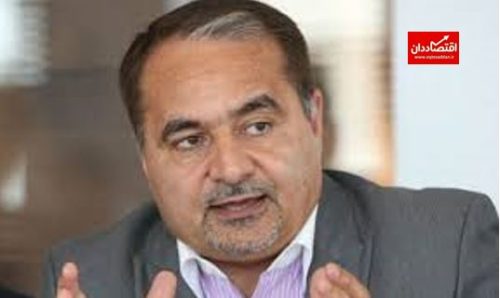
اقتصاددان :مصاحبه اختصاصی مجله پنگ پای چین با دکترسید حسین موسویان استاد دانشگاه پرینستون آمریکا درباره سناریوهای متعدد ،جرقه درگیری ایران و آمریکا
سناریوهای متعددی میتواند جرقه درگیری ایران و آمریکا را بزند؛ کانالهای ارتباطی ثالث بهشدت شکنندهاند
خبرنگار پنگپای: نیه شویی
۲۱ فوریه ۲۰۲۶ – ۰۷:۲۸
منبع: پنگپای نیوز
موسویان:
- آمریکا باید به جای اتکا به سیاست جنگ و تحریم، به راهحل دیپلماتیک معتبر بیندیشد.
- همکاریهای اقتصادی کلان ایران و آمریکا میتواند به عنوان کاتالیزور اعتماد سیاسی عمل کند.
- ضرورت مذاکرات مستقیم و جامع ایران وآمریکا بر اساس احترام متقابل به منافع طرفین
پنگپای گفتوگوی با سید حسین موسویان، رئیس پیشین کمیته روابط خارجی دبیر خانه شورای عالی امنیت ملی ایران، سفیر پیشین ایران در آلمان و از اعضای کلیدی تیم پیشین مذاکرهکننده هستهای انجام داده است. در دوره ریاستجمهوری محمد خاتمی، موسویان از ۲۰۰۳ تا ۲۰۰۵ سخنگوی تیم مذاکرهکننده هستهای ایران بود. آن تیم در سال ۲۰۰۳ با تعلیق موقت غنیسازی اورانیوم موافقت کرد و اجازه بازرسیهای آژانس را برای اعتمادسازی صادر نمود. در سال ۲۰۰۴، موسویان به عنوان سخنگوی تیم مذاکرهکننده از حق ایران برای پیگیری فناوری صلحآمیز هستهای دفاع کرد.
پنگپای: پس از گفتوگوهای ۱۷ فوریه در ژنو، هر دو طرف اعلام کردند که این دور «پیشرفت داشته است»، هرچند «جزئیات بسیاری همچنان نیازمند بحث است». ارزیابی شما از نتایج این دور از مذاکرات چیست؟
گفتوگوهای ژنو کانال دیپلماتیک را حفظ کرد
سید حسین موسویان: مناسبترین توصیف از گفتوگوهای ژنو میان آمریکا و ایران این است که پیشرفت حاصل شد، اما هنوز تا خط پایان و توافق نهایی فاصله زیادی وجود دارد. این مذاکرات توانست یک کانال دیپلماتیک را حفظ کند و جهتگیری مرحله بعدی مذاکرات را روشن سازد. اگر گفتوگوهای بعدی بتواند بر این اساس به طرح مشخص و مصالحه سازنده منجر شود، آنگاه مذاکرات ژنو میتواند اهمیت تاریخی پیدا کند.
همکاریهای کلان اقتصادی، کاتالیزور قدرتمند اعتماد سیاسی
من معتقدم آمریکا و ایران باید تصویر کلان را ببینند. برای مثال، همکاری اقتصادی گسترده میان دو کشور میتواند به عنوان یک کاتالیزور قدرتمند برای اعتماد سیاسی عمل کند، زیرا منافع مشترک پایدار هزینه تقابل را افزایش داده و انگیزه گفتوگو را تقویت میکند. نفت نهتنها برای امنیت انرژی بلکه برای ثبات بازار جهانی نیز اهمیت راهبردی دارد. تصور کنید چارچوبی از همکاری که در آن ایران روزانه ۲ میلیون بشکه نفت به شرکایی از جمله آمریکا و چین عرضه کند. در مقابل، آن کشورها میتوانند پروژههای بزرگ زیرساختی در ایران اجرا کنند؛ از جمله توسعه میادین نفتی، شبکههای حملونقل، تأسیسات پتروشیمی، بنادر و پروژههای انرژیهای تجدیدپذیر. چنین مدلی منافع اقتصادی متقابل ایجاد کرده، وابستگی مثبت و سازنده را تقویت میکند و زمینه را برای کاهش تنشهای سیاسی و امنیتی فراهم میسازد.
پنگپای: با افزایش استقرار نظامی آمریکا در خلیج فارس، خطر درگیری منطقهای به سرعت در حال افزایش است. از دید شما، در حال حاضر محتملترین «جرقه»ای که ممکن است به دلیل محاسبه غلط به درگیری مستقیم نظامی میان آمریکا و ایران منجر شود چیست؟ آیا خطوط قرمز یا تفاهمهای نانوشتهای میان دو طرف برای جلوگیری از تشدید تنش وجود دارد؟
خطر جنگ منطقه ای و بیثباتی بلندمدت و پیامدهایی گسترده و عمیق
سید حسین موسویان: یک برخورد تصادفی («شلیک نخست») میان آمریکا و ایران در آبها یا حریم هوایی خلیج فارس یا تنگه هرمز محتملترین جرقه درگیری است. رویدادی مانند سوءبرداشت از یک رزمایش نظامی، حمله ناگهانی پهپادی یا موشکی، یا حتی یک اقدام تلافیجویانه احتمالی میتواند به سرعت اوضاع را تشدید کند. به نظر من، هر دو طرف از هزینههای بالای جنگ آگاهند. آنها از طریق کانالهای ثالثی مانند عمان، قطر، ترکیه، عراق و سوئیس با یکدیگر در ارتباط بودهاند. متأسفانه این سازوکارهای ارتباطی بهشدت شکنندهاند و تحت تأثیر شرایط و ملاحظات سیاسی داخلی هر دو کشور قرار دارند.
پنگپای: اگر آمریکا حمله نظامی علیه ایران را آغاز کند، به نظر شما وضعیت در نهایت چگونه تحول خواهد یافت؟
سید حسین موسویان: حمله آمریکا به ایران تقریباً به طور قطع یک رویداد محدود و جداگانه نخواهد بود. چنین اقدامی بیثباتی منطقهای را تشدید میکند، خطر آغاز یک درگیری نظامی گستردهتر را افزایش میدهد، بازارهای جهانی انرژی را مختل میکند و بی ثباتی سیاسی را هم منطقه، ایران ودر سطح بینالمللی تعمیق خواهد کرد. هرچند آمریکا توانایی آغاز اقدام نظامی را دارد، اما ممکن است پس از تشدید درگیری نتواند سرعت، دامنه یا پیامدهای آن را کنترل کند.
تداوم فشار میتواند «نتیجه معکوس» داشته باشد
با نگاهی به تاریخ خاورمیانه، از افغانستان تا عراق، آمریکا در تبدیل برتری نظامی به پیروزیهای سیاسی روشن با دشواری روبهرو بوده است. یک درگیری طولانیمدت میان آمریکا و ایران پرهزینه خواهد بود و ممکن است به اهداف راهبردی اولیه دست نیابد. بنابراین، خطرات تشدید نظامی و بیثباتی بلندمدت بسیار عظیم است و میتواند پیامدهایی گسترده و عمیق به همراه داشته باشد.
پنگپای: رسانههای آمریکایی گزارش دادهاند که آمریکا ممکن است همین آخر هفته به ایران حمله کند، با این حال ترامپ نیز گفته هنوز تصمیم نهایی نگرفته است. با توجه به تجربه شما به عنوان مذاکرهکننده پیشین در مذاکرات هستهای ایران، آیا این سیگنالها با هدف اعمال فشار بر ایران ارسال میشود یا تصمیم برای حمله نظامی از پیش اتخاذ شده است؟
مواضع متناقض آمریکا نشانه عدم صداقت در دیپلماسی
سید حسین موسویان: سیگنالهای آمریکا اغلب متناقض و گیجکننده است: از یک سو بر دیپلماسی تأکید میکند و از سوی دیگر دائماً به امکان اقدام نظامی اشاره دارد. این رویکرد بیاعتمادی متقابل را تشدید میکند و باور ایران به صداقت و عزم آمریکا در مسیر دیپلماتیک را دشوار میسازد. این ابهام همچنین سوءظنها در تهران را تقویت میکند که مذاکرات ممکن است بیش از آنکه تلاشی واقعی برای دستیابی به توافق باشد، ابزاری برای فشار یا اتلاف وقت باشد. افزون بر این، این تصور را تقویت میکند که آمریکا، احتمالاً با هماهنگی اسرائیل، پیشاپیش درباره اقدام نظامی تصمیم گرفته است. در چنین فضایی، اعتمادسازی بهشدت دشوار میشود و هزینه سیاسی هرگونه انعطاف از سوی ایران بهطور قابل توجهی افزایش مییابد.
دیپلماسی معتبر بجای جنگ و تحریم
به نظر من، در موضوع ایران، آمریکا بهجای اعمال فشار کورکورانه و سیاست جنگ و تحریم، باید بهدنبال راهحلهای دیپلماتیک معتبر، ملموس و حفظکننده آبرو باشد. در غیر این صورت، تنها ایران را به سمت سیاستهای تدافعیتر و انعطافناپذیرتر سوق خواهد داد. آمریکا باید راهبرد اتکای بیش از حد به جنگ و تحریمها به عنوان ابزار پیشفرض سیاست خارجی خود را مورد بازنگری قرار دهد.
چین الگوی مناسب
به باور من، چین الگویی قابل مطالعه ارائه میدهد. چین سالهاست که با کشورهای مختلف تعامل خود را حفظ کرده، توسعه اقتصادی آنها را تشویق نموده و روابط خود را در سطحی راهبردی گسترش داده است. این رویکرد برای چین اعتبار بینالمللی مثبتی به همراه داشته است. آمریکا میتواند از این تجربه درس بگیرد.
پنگپای: در جریان سفر ۱۱ فوریه به آمریکا، نخستوزیر اسرائیل، بنیامین نتانیاهو، دیداری طولانی و غیرعلنی با ترامپ داشت که تمرکز آن بر گفتوگوهای ایران و آمریکا بود. نتانیاهو اخیراً گفته است که مذاکرات ایران و آمریکا باید نگرانیهای اسرائیل را نیز در نظر بگیرد. نقش اسرائیل را در روابط ایران و آمریکا چگونه ارزیابی میکنید؟
اسرائیل پشت پرده سیاست افراطی آمریکا
سید حسین موسویان: اسرائیل برای مدت طولانی یکی از محرکهای اصلی تقابل میان آمریکا و ایران بوده است. اتحاد آمریکا و اسرائیل نیز تا حدی انعطافپذیری سیاست خارجی آمریکا را محدود میکند.
ناآرامی داخلی و کاهش انعطاف دیپلماتیک ایران
پنگپای: از اواخر دسامبر تا اوایل ژانویه، اعتراضات گستردهای در ایران رخ داد که علت اصلی آن وضعیت وخیم اقتصادی کشور بود؛ وضعیتی که بسیاری از رسانههای غربی آن را «آسیبپذیرترین مقطع ایران از سال ۱۹۷۹» توصیف کردند. در شرایط فشار همزمان داخلی و خارجی، آیا این وضعیت دولت را به اتخاذ مواضع سختتر سوق میدهد یا ضرورت دستیابی به یک گشایش دیپلماتیک را افزایش میدهد؟ این فشار داخلی چگونه بر انعطافپذیری و مطالبات مذاکرهای تأثیر میگذارد؟
سید حسین موسویان: افزایش فشار داخلی معمولاً دولتها را در سیاست خارجی محتاطتر و کمانعطافتر میکند، زیرا رهبران ایرانی نگراناند که هرگونه امتیازدهی در خارج بهعنوان نشانه ضعف تلقی شود. به نظر من، تشدید دشواریهای اقتصادی و ناآرامی داخلی بهطور paradoxical مذاکرات را دشوارتر میکند، زیرا مطالبات تهران برای رفع تحریمها و دریافت تضمینهای امنیتی افزایش مییابد و سطح توقعات برای دستیابی به توافق بالاتر میرود. رهبران یک کشور نیازمند فضایی برای مانور دیپلماتیک هستند تا بتوانند به افکار عمومی داخلی نشان دهند که رویکردشان نشانه ضعف نیست، بلکه در جهت تقویت تابآوری ملی است.
پنگپای: یکی از موضوعات مطرح در مذاکرات ایران و آمریکا، درخواست آمریکا از ایران برای توقف حمایت از نیروهای منطقهای است. طی سالها، ایران از آنچه «محور مقاومت» نامیده میشود بهعنوان ابزاری کلیدی برای مقابله با آمریکا و اسرائیل استفاده کرده است. اما در دو سال گذشته، تحت ضربات آمریکا و اسرائیل، این محور با چالشهای جدی مواجه شده است. آیا ممکن است ایران در مذاکرات آینده این خواسته آمریکا را بپذیرد؟ آیا حمایت طولانیمدت ایران از بازیگران منطقهای زمینهساز مشکلات کنونی آن در داخل و خارج بوده است؟
سیاستهای آمریکا و اسرائیل عامل ظهور محور مقاومت در منطقه
سید حسین موسویان: بعید است ایران شرکای منطقهای خود را کنار بگذارد. این شرکا در نگاه ایران بخش مرکزی راهبرد بازدارندگی آن هستند، نه ابزارهای مصرفی. «محور مقاومت» صرفاً به ابتکار ایران شکل نگرفت. طی سالها، جنگها و مداخلات که آمریکا، اسرائیل و ناتو در کشورهایی مانند افغانستان، عراق، فلسطین، سوریه، یمن، لیبی، سودان و سومالی انجام دادند، از عوامل مهم در شکلگیری این محور بودهاند.
شرط کاهش تنش، تغییر سیاستهای منطقه ای آمریکا، ارائه تضمینهای امنیتی معتبر و رفع معنادار تحریمها
ایران بابت حمایت از این محور هزینههایی از جمله تحریمهای بینالمللی و انزوا پرداخت کرده است. با این حال، ایران تحت فشار، امتیاز یکجانبه نخواهد داد. تغییر در سیاستهای ایران تنها در شرایط کاهش تنش در روابط واشینگتن و تهران، اصلاح سیاستهای منطقه ای آمریکا، ارائه تضمینهای امنیتی معتبر و رفع معنادار تحریمها امکانپذیر خواهد بود.
پنگپای: اگر وضعیت کنونی برای ۵ تا ۱۰ سال دیگر ادامه یابد، چه تأثیری بر مسیر توسعه ملی ایران خواهد داشت؟ آیا به یک وضعیت عادیشده «تقابل سرد» تبدیل میشود یا به رویارویی نهایی یا حتی تغییر نظام منجر خواهد شد؟
عدم سقوط نظام و احتمال جنگ سرد طولانی مدت
سید حسین موسویان: اگر بنبست برای ۵ تا ۱۰ سال ادامه یابد، احتمال آنکه ایران خود را با یک «جنگ سرد» تطبیق دهد بیش از فروپاشی است. ایران در برابر تحریمها و تحولات داخلی تابآوری خود را از طریق سرمایهگذاری در توان دفاعی، توسعه «اقتصاد مقاومتی» و حفظ نفوذ منطقهای نشان داده است. البته فشار طولانیمدت میتواند نارضایتی داخلی را تشدید کرده و به سیاستهای سختگیرانهتر منجر شود و در نتیجه خطر بحرانهای مقطعی داخلی ایران را افزایش دهد. رویارویی نظامی گسترده آمریکا با ایران یا تغییر نظام نیز در تئوری محتمل است، اما سناریوی واقعیتر ادامه وضعیت پرتنش و بیثباتی است که با تشدیدهای مقطعی و کوتاهمدت همراه خواهد بود.
«نگاه به شرق» هم تاکتیکی است و هم راهبردی
پنگپای: در سالهای اخیر، ایران همکاری خود را با کشورهایی مانند روسیه و چین تعمیق کرده و بهطور فعال در سازوکارهای چندجانبهای مانند سازمان همکاری شانگهای (SCO) و بریکس مشارکت داشته است. آیا این همکاری بیشتر یک راهبرد تاکتیکی برای مقابله با تحریمهاست یا نشانه بازتنظیم راهبردی با هدف کاهش وابستگی به غرب؟
سید حسین موسویان: تقویت همکاری ایران با کشورهایی مانند روسیه و چین و عضویت فعال در سازوکارهایی مانند سازمان شانگهای وگروه بریکس، هم یک انتخاب تاکتیکی است و هم یک استراتژی راهبردی. از نظر تاکتیکی، این روابط به کاهش آثار تحریمهای طولانیمدت غرب و تلاشها برای انزوای بینالمللی ایران کمک کرده است. از نظر راهبردی، حتی اگر غرب امروز همه تحریمها علیه ایران را لغو کند، ایران همچنان بهدنبال تقویت روابط راهبردی خود با این کشورها خواهد بود تا روابط خارجی خود را متنوع سازد. این امر وابستگی ایران به یک بلوک خاص را کاهش داده و موقعیت آن را در نظم چندقطبی تقویت میکند. میتوان گفت تحریمهای غرب عملاً سیاست «نگاه به شرق» ایران را تسریع کرده و این راهبرد بلندمدت بازتنظیم را پیش برده است.
اعتماد سازی منطقه ای از مسیرنظام همکاری امنیت و همکاری جمعی در خلیج فارس
پنگپای: شما پیشتر پیشنهاد ایجاد یک نظام امنیت منطقهای در خلیج فارس مستقل از قدرتهای بزرگ را مطرح کردهاید. با توجه به سطح پایین اعتماد میان کشورهای منطقه، چگونه میتوان همکاری را آغاز کرد؟ مسیر عملی برای شروع گفتوگوی امنیتی منطقهای در خلیج فارس چیست؟
سید حسین موسویان: همکاری امنیتی در خلیج فارس از ابتدا نیازمند اعتماد کامل همه طرفها نیست. گامهای اولیه میتواند بر تدوین قواعد مشترک و ایجاد قابلیت پیشبینی تمرکز کند. به نظر من، نخستین گام عملی آن است که کشورهای ساحلی بدون حضور قدرتهای خارجی، گفتوگوهایی درباره همکاریهای عملی در حوزههایی مانند امنیت دریایی، ارتباطات بحران و اصل عدم تجاوز برگزار کنند. اعتماد میتواند بهتدریج از طریق اقداماتی مانند ایجاد خطوط تماس مستقیم، امضای توافقنامههای پیشگیری از حوادث و اجرای تدابیر شفافساز تقویت شود. این روند میتواند زمینه را برای گفتوگوهای گستردهتر درباره کنترل تسلیحات و کاهش تنش فراهم کند.
پنگپای: در ۶ تا ۱۲ ماه آینده، چه شاخصها یا رویدادهای مشخصی باید دنبال شود تا وضعیت به سمت کاهش تنش پیش رود؟
سید حسین موسویان: در دوره پیش رو، نتیجه تعاملات دیپلماتیک، چگونگی رفع تحریمهای ایران و نظام بازرسیهای برنامه هستهای آن، حوادث منطقهای، نظم منطقه ای در مورد سلاحهای متعارف همچون موشکی یا پهپادی و وضعیت اقتصادی در ایران؛ شاخص های مهم عبور از وضعیت تخاصم ایران وآمریکاست. این موارد نشان خواهد داد که وضعیت به سمت کاهش تنش حرکت میکند یا تشدید آن.
مذاکرات مستقیم و جامع میان ایران و آمریکا
برای دستیابی به پیشرفت پایدار در موضوع ایران، به باور من چند نکته اساسی است: مذاکرات جامع و مستقیم میان ایران و آمریکا بر پایه NPT برای یافتن راهحلی واقعبینانه در موضوع هستهای ایران؛ همزمان همه طرفها باید بر اساس احترام متقابل به منافع و نگرانیهای منطقهای یکدیگر برای پایان دادن به درگیریهای منطقهای تلاش کنند؛ و نکته حیاتی آن است که آمریکا و دیگران در جلوگیری از وقوع یک درگیری مستقیم جدید میان ایران و اسرائیل نقش ایفا کنند.
专访|伊朗国安会前高官:引爆美伊冲突存多种可能,第三方沟通渠道已极脆弱
澎湃新闻记者 聂舒翼
2026-02-21 07:28
来源:澎湃新闻
∙ 大国外交 >
听全文
字号
日内瓦会谈“取得良好进展”的余音还在缭绕,美国与伊朗新一轮威胁和强硬对抗又在波斯湾上演。
据新华社2月18日报道,尽管美国总统特朗普尚未作出是否对伊朗发动军事行动的最终决定,但美军方已做好最早在本周末对伊朗发动打击的准备。据美国全国广播公司和有线电视新闻网援引知情人士的话报道,美国家安全高级官员已告诉特朗普,军方已准备好最早在本月21日对伊朗发动打击。白宫正在权衡风险升级后带来的政治和军事后果。
另据美国阿克西奥斯新闻网18日报道,特朗普政府距离在中东地区发动一场大规模战争比大多数美国人意识到的要近得多。消息人士称,美国在伊朗的军事行动很可能是一场大规模、持续数周的战役,看起来更像是一场全面战争,而不是上个月在委内瑞拉的精准打击行动。
当前,美国仍不断在伊朗周边强化军事部署。美国方面17日称,美国海军“福特”号航母及其护航舰艇正在穿越大西洋,前往直布罗陀海峡后直指地中海。这也是美国向伊朗周边派遣的第二个航母打击群。在此之前,美国“林肯”号航空母舰打击群于2026年1月抵达中东地区,目前在阿曼附近海域活动。
据悉,美军还在中东地区部署了十多艘其他类型军舰、数百架战机和多套防空系统,并动用超过150架次的军用运输机将武器装备和弹药运往中东。
而针对美国的威胁,伊朗方面表态强硬。伊朗最高领袖哈梅内伊17日在社交平台上发布了一幅人工智能生成的美国“福特”号航母被击沉的图片,并配文称,“比航母更危险的是能将其送入海底的武器。”
据伊朗半官方的梅赫尔通讯社报道,伊朗与俄罗斯19日在阿曼湾和北印度洋举行联合军演,在演习期间,伊朗陆军海军、伊斯兰革命卫队和俄罗斯的特种作战部队成功执行了一次解救被劫持船只的行动。此外,两国舰艇和空中部队也参与了此次演习,演习内容包括空中侦察、水面作战和抓捕海盗。
另据伊朗伊斯兰共和国通讯社16日报道,伊朗伊斯兰革命卫队海军主导的“复合型、有针对性的”实兵演习正在霍尔木兹海峡举行。报道称,伊斯兰革命卫队总司令穆罕默德·帕克普尔现场监督并指挥了此次演习。演习以检验海军作战部队战备水平、复盘海峡安全管控方案和对等军事行动预案、智能化运用伊朗的地缘优势为主要目标。报道称,此次演习中霍尔木兹海峡一度暂时关闭。
一直以来,美国和伊朗始终在“谈判、威胁、谈判、威胁”的循环中打转,而在去年6月美国直接对伊朗核设施发动袭击后,两国间的谈判一度中断。美伊究竟是否真的有意愿进行谈判?谈判是否又能取得成果、并让这两个“宿敌”握手言和?笼罩在中东上空的战争阴云是否会真的落下?战火又是否真的将在今天开启?
围绕这些问题,澎湃新闻(www.thepaper.cn)对伊朗前国家安全委员会对外关系委员会主任、前驻德大使、前核谈判团队重要成员赛义德·侯赛因·穆塞维安进行了书面专访。
伊朗哈塔米政府时期,穆塞维安于2003年至2005年期间担任伊朗核谈判团队发言人,该团队于 2003 年同意伊朗暂时暂停铀浓缩,并允许国际原子能机构在其核设施进行核设施检查,以建立信任。2004 年,作为谈判团队负责人,穆萨维安主张伊朗有权追求民用核技术,并对国际原子能机构在施压伊朗时“孤立”美国表示满意。
日内瓦会谈维系了外交渠道
澎湃新闻:2月17日日内瓦会谈后,美伊都表示本轮会谈“取得了进展”,不过仍有“很多细节需要讨论”。您如何看待本次会谈取得的这些成果?
赛义德·穆塞维安:对美伊日内瓦会谈最恰当的描述是:取得了进展,但远非终点。会谈成功维系了外交渠道,并为下一阶段谈判明确了方向,如果后续谈判能在此基础上拿出具体方案、作出建设性妥协,那么此次日内瓦会谈或将意义重大。
我认为,美国与伊朗需要着眼大局。例如,美伊之间开展大规模经济合作,可成为推动政治互信的强大催化剂,因为持久的共同利益会提高对抗成本,强化对话动力。石油具有战略重要性,不仅关乎能源安全,也关系全球市场稳定。我们不妨设想这样一个合作框架:伊朗每天向美国等合作伙伴供应200万桶石油,作为回报,有关国家可以在伊朗实施重大基建项目——包括油田、交通网络、石化设施、港口以及可再生能源项目。这种模式将创造互利共赢的经济利益,形成积极的相互依存关系,并为缓解政治与安全紧张局势奠定基础。
澎湃新闻:随着美军加大在波斯湾地区的部署,地区发生冲突的风险正在急速上升。从您的观察来看,当前最可能因误判导致美伊直接军事冲突的“导火索”是什么?双方是否存在未言明的、用于防止事态升级的“红线”或沟通默契?
赛义德·穆塞维安:美国和伊朗在波斯湾或霍尔木兹海峡的水域或空中发生“擦枪走火”,是最可能引爆美伊冲突的“导火索”,比如一场被误读的军演、突然的无人机袭击或导弹袭击、以及可能发生的报复性打击,都可能让局势迅速升级。
我想,美国和伊朗都意识到了战争的高成本,也一直在通过阿曼、卡塔尔、土耳其、伊拉克及瑞士等第三方渠道进行沟通,但很遗憾,这些沟通机制都极为脆弱,且受到两国政治局势的牵制。
澎湃新闻:如果美国真的对伊朗发动军事打击,局势最终会怎样演变?
赛义德·穆塞维安:美国对伊朗发动打击几乎注定不会是孤立事件。这将加剧地区动荡,引发更大范围军事冲突的风险,扰乱全球能源市场,并加深伊朗国内与国际社会的政治不确定性。
尽管美国有能力发起军事行动,但一旦冲突升级,它未必能掌控冲突的节奏、规模与结局。从中东历史来看,从阿富汗到伊拉克,美国都难以将军事优势转化为明确的政治胜利。美伊长期冲突代价高昂且未必能实现最初的战略目标,因此,军事升级与长期不稳定的风险将极为巨大,影响可能深远广泛。
持续施压或“适得其反”
澎湃新闻:美国媒体报道称,美国最快将在本周末对伊朗实施打击,但特朗普又表示自己还没做出最终决定。您曾经作为谈判代表参与了伊核问题谈判,从您的经验看,美国释放这样的信号究竟是为了对伊朗施压,还是已经决定要对伊朗发动军事打击?
赛义德·穆塞维安:美国发出的信号时常自相矛盾、令人困惑:一方面强调外交途径,另一方面又不断释放军事行动的可能性。这加剧了双方的不信任,也让伊朗难以相信美国在外交道路上的诚意与决心。
这种模糊表态也强化了伊朗方面的疑虑,那就是谈判可能主要被当作施压或拖延的工具,而非真心寻求达成协议;这也让外界愈发认为,美国或许已与以色列协调,做出了发动军事打击的决定。在这种氛围下,建立信任变得异常困难,伊朗作出妥协的政治代价也大幅上升。
在我看来,在伊朗问题上,美国与其盲目施压,不如寻求可信、切实且能挽回颜面的外交解决方案,否则只会迫使伊朗采取更具防御性和难以变通的政策。美国需要重新评估其过度依赖制裁、并将其作为默认的外交政策工具的战略,我觉得中国就是一个值得学习的对象。
多年来,中国持续保持与有关国家的接触、推动这些国家经济发展以及始终从战略层面发展与各国的关系,这让中国赢得了良好的国际声誉,美国应该学习中国的这些做法。
澎湃新闻:以色列总理内塔尼亚胡11日访问美国期间,与特朗普总统进行了长时间的闭门会谈,重点就是关注伊美谈判。内塔尼亚胡近日还表示,美伊谈判必须满足以色列的关切。您如何看待以色列在美伊关系中扮演的角色?
赛义德·穆塞维安:一直以来,以色列都是推动美国与伊朗对抗的主要动力,美国与以色列的盟友关系也在一定程度上限制了美国外交的灵活性。
国内动荡可能削弱伊朗外交灵活性
澎湃新闻:去年12月底到今年1月初,伊朗国内爆发了大规模的抗议活动。抗议爆发的主要原因是当前伊朗糟糕的经济状况,这也被很多西方媒体认为是“伊朗自1979年来最脆弱”的时候。面对内外压力同时增大的局面,作为曾经的伊朗最高国家安全委员会外交关系委员会主席,您认为当前的局面是迫使政府对外更加强硬,还是使其更迫切需要通过外交突破来缓解危机?这种内部压力如何具体影响其谈判的灵活性和要价?
赛义德·穆塞维安:国内压力增大往往会导致政府在外交决策上更加谨慎、更缺乏灵活性,因为伊朗领导人会担心对外做出让步会被视为软弱的表现。
在我看来,伊朗国内的经济困难和动荡局势加剧,反而导致谈判的难度增加,因为这令德黑兰要求解除制裁和获得安全保证的需求会进一步提高,这加大了达成协议的门槛。
一个国家的领导人需要有一定的外交手段,他们可以以此向国内证明自己不是软弱,而是为了增强国家的韧性。
澎湃新闻:在美伊会谈中,一个被提及的议题是美方要求伊朗停止支持地区“代理人”。我们知道,伊朗过去多年通过在地区构建所谓“抵抗轴心”作为与美国和以色列对抗的重要手段,但这两年在美以的打击下,“抵抗轴心”已经濒临崩溃。您认为,伊朗在未来的谈判中,可能接受美方的这一要求吗?伊朗过去多年对地区国家和组织的支持,又是否为当下伊朗国内外面临的困局埋下了祸根?
赛义德·穆塞维安:伊朗不太可能放弃其地区伙伴。这些伙伴被伊朗视为其威慑战略的核心,而不是可以随意抛弃的棋子。“抵抗轴心”并不是由伊朗倡议形成的,过去多年,美国、以色列和北约在阿富汗、伊拉克、巴勒斯坦、叙利亚、也门、利比亚、苏丹和索马里发动的战争或对这些国家局势进行的干预,是“抵抗轴心”最终成型的重要原因。
伊朗确实为支持“抵抗轴心”付出了代价,这包括国际制裁和国际孤立,但是伊朗并不会在压力下单方面做出让步。只有在局势缓和、有可信任的安全保障和有意义地解除制裁的条件下,伊朗的政策才会发生变化。
澎湃新闻:如果当前的局势再持续5-10年的话,您认为这将对伊朗的国家发展轨迹产生怎样的影响?会固化为一种“冷对抗”常态,还是必然导致摊牌甚至伊朗出现政权更迭的情况?
赛义德·穆塞维安:如果僵局持续5-10年,伊朗很可能会适应“冷对抗”,而不是崩溃。事实证明,在制裁和内部动荡的情况下,这个国家是有韧性的。伊朗通过投资于国防力量、发展“抵抗型经济”、持续发挥地区影响力等证明了这一点。
当然,长期施压可能加剧伊朗国内的不满情绪,导致政策更加强硬,从而增加爆发偶发性危机的风险。对伊朗的未来而言,决定性的军事对抗或政权更迭确实存在可能,但更大的可能性是,不论伊朗国内国外,各种政治力量的对峙仍将是紧张而多变的,其间可能会断断续续发生局势短暂升级的情况。
“向东看”既是战术也是战略
澎湃新闻:伊朗近年来持续深化与俄罗斯、中国等国的合作,并积极参与上海合作组织、金砖国家机制等多边机制合作。在您看来,这种合作主要是应对制裁的“战术性”生存安排,还是标志着一种旨在减少对西方依赖的“战略性”再平衡?
赛义德·穆塞维安:伊朗加强与俄罗斯、中国等国的合作,并积极加入上海合作组织、金砖国家等多边机制,既是一种战术选择,也是一种战略考量。
从战术上讲,伊朗加强同这些国家和组织的关系,在一定程度上减轻了西方对其长期制裁和试图在国际舞台上孤立伊朗的影响。从战略上讲,即使西方今天取消了所有针对伊朗的制裁,伊朗也会继续寻求加强与这些国家的战略关系,使其外交关系多样化。这样既可以减少伊朗对任何单一集团的依赖,也有助于加强伊朗在多极秩序中的地位。
可以说,西方的制裁有效地推动伊朗“向东看”,让这一长期再平衡战略加速推进。
澎湃新闻:您曾提出要在波斯湾地区建立独立于大国的地区安全体系。但在当前地区国家间近乎零信任的背景下,您认为地区国家应如何开展这方面的合作?启动波斯湾地区安全对话的可行路径又是什么?
赛义德·穆塞维安:波斯湾地区的安全合作并不需要在各方已有充分信任的情况下展开,最初的工作可以聚焦于如何建立共同规则和保证局势的可预测性上。
我认为,建立地区安全对话可行路径的第一步,就是沿岸各国就包括海上安全、危机沟通和不侵犯原则等领域的务实合作进行对话,让所有没有外部力量的沿岸国参与其中。各方可以通过建立热线、签署事件预防协议和建立透明度措施等逐步建立信任,从而为更广泛的军备控制及缓和紧张局势的讨论铺平道路。
澎湃新闻:展望未来6-12个月,您会重点关注哪些具体的、可观察的指标或事件,以此判断局势是走向缓和还是滑向升级?
赛义德·穆塞维安:接下来的时间里,我会关注各方的外交接触、有关对伊制裁和对伊朗核项目进行核查的具体情况、地区事件、导弹或无人机活动,以及伊朗的主要经济指标,这些将揭示局势是走向缓和还是升级。
至于伊朗问题要如何取得持续性进展,我觉得以下几点至关重要:伊朗和美国要进行全面和直接的谈判,以《不扩散核武器条约》为基础,为解决伊朗核问题找到现实的解决办法。同时,各方要在相互尊重彼此和地区利益的基础上,结束地区冲突,特别是美国等国要发挥作用,防止以色列和伊朗之间再次发生直接军事冲突。
https://www.thepaper.cn/newsDetail_forward_32634969
**Exclusive Interview | Former Senior Official of Iran’s National Security Council: Multiple
Possibilities to Trigger US-Iran Conflict Exist, Third-Party Communication Channels Are
Extremely Fragile**
**By Nie Shuyi, The Paper**
**Feb 21, 2026**
The echoes of the Geneva talks making “good progress” still linger, yet a new round of threats and tough confrontation between the United States and Iran is playing out in the Persian Gulf. According to Xinhua News Agency reports on February 18, although US President Trump has not made a final decision on whether to launch military action against Iran, the US military is prepared to strike Iran as early as this weekend. Citing informed sources, NBC News and CNN reported that senior US national security officials have told Trump the military is ready to strike Iran as early as February 21. The White House is weighing the political and military consequences of risk escalation.
Separately, Axios reported on the 18th that the Trump administration is much closer to launching a major war in the Middle East than most Americans realize. Sources say a US military operation against Iran would likely be a large-scale campaign lasting several weeks, looking more like an all-out war than the precision strikes in Venezuela last month.
Currently, the US continues to bolster its military deployment around Iran. The US stated on the 17th that the USS Ford aircraft carrier and its escort ships are crossing the Atlantic, heading towards the Strait of Gibraltar and then the Mediterranean. This marks the second carrier strike group the US has dispatched near Iran. Prior to this, the USS Abraham Lincoln carrier strike group arrived in the Middle East in January 2026 and is currently operating in waters near Oman.
It is reported that the US military has also deployed over a dozen other types of vessels, hundreds of aircraft, and multiple air defense systems in the Middle East, using more than 150 military transport aircraft sorties to move weapons and ammunition into the region.
In response to US threats, Iran’s stance has been firm. Iran’s Supreme Leader Ayatollah Ali Khamenei posted an AI-generated image on social media platform X on the 17th, depicting the sinking of the USS Ford, with a caption reading, “More dangerous than the aircraft carrier is the weapon capable of sending it to the bottom of the sea.”
According to Iran’s semi-official Mehr News Agency, Iran and Russia held joint military exercises on the 19th in the Gulf of Oman and the northern Indian Ocean. During the drills, the Iranian Army Navy, the Islamic Revolutionary Guard Corps (IRGC), and Russian special operations forces successfully executed an operation to free a hijacked vessel.
Additionally, vessels and air units from both countries participated in the exercises, which included aerial reconnaissance, surface warfare, and pirate capture operations. Also, according to the Islamic Republic News Agency (IRNA) on the 16th, “complex and targeted” live-fire exercises led by the IRGC Navy are currently underway in the Strait of Hormuz. The report stated that IRGC Commander-in-Chief Major General Mohammad Pakpour supervised and commanded the exercises on-site. The main objectives were to test the combat readiness of naval forces, review strait security control plans and proportional military response plans, and intelligently utilize Iran’s geographical advantages. The report mentioned that the Strait of Hormuz was temporarily closed during these exercises.
For a long time, the US and Iran have been stuck in a cycle of “negotiation, threat, negotiation, threat.” After the US directly attacked Iranian nuclear facilities last June, talks between the two countries were interrupted. Do the US and Iran genuinely intend to negotiate? Can negotiations yield results and allow these two “arch-enemies” to reconcile? Will the cloud of war hanging over the Middle East truly unleash its rain? Will the conflict really begin today?
Regarding these questions, The Paper conducted a written exclusive interview with Seyed Hossein Mousavian, former Head of the Foreign Relations Committee of Iran’s Supreme National Security Council, former Ambassador to Germany, and a key member of the former nuclear negotiation team.
During the administration of President Mohammad Khatami, Mousavian served as the spokesperson for Iran’s nuclear negotiating team from 2003 to 2005. That team agreed in 2003 to temporarily suspend uranium enrichment and allow IAEA inspections at its nuclear facilities to build confidence. In 2004, as head of the negotiating team, Mousavian advocated for Iran’s right to pursue civilian nuclear technology and expressed satisfaction that the IAEA’s pressure on Iran “isolated” the US.
### Geneva Talks Maintained Diplomatic Channels
**The Paper: After the Geneva talks on February 17, both the US and Iran stated that the round “made progress,” although “many details still need discussion.” How do you view these outcomes from this round of talks? **
**Seyed Hossein Mousavian: ** The most apt description of the US-Iran Geneva talks is: progress was made, but it’s far from the finish line. The talks successfully maintained a diplomatic channel and clarified the direction for the next phase of negotiations. If subsequent talks can produce concrete plans and constructive compromises based on this, then the Geneva talks could prove significant. I believe the US and Iran need to see the bigger picture. For example, large-scale economic cooperation between the US and Iran could serve as a powerful catalyst for political trust, because lasting shared interests raise the cost of confrontation and strengthen the impetus for dialogue. Oil is of strategic importance, not only for energy security but also for global market stability. Imagine a cooperation framework were
Iran supplies 2 million barrels of oil per day to partners, including the US. In return, those countries could undertake major infrastructure projects in Iran – including oil fields, transportation networks, petrochemical facilities, ports, and renewable energy projects. Such a model would create mutually beneficial economic interests, foster positive interdependence, and lay the groundwork for easing political and security tensions.
**The Paper: With the US military increasing its deployment in the Persian Gulf, the risk of regional conflict is rising rapidly. From your observation, what is currently the most likely “trigger” that could lead to direct US-Iran military conflict due to miscalculation? Are there unspoken “red lines” or communication understandings between the two sides to prevent escalation? **
**Seyed Hossein Mousavian: ** An accidental clash (“firing the first shot”) between the US and Iran in the waters or airspace of the Persian Gulf or the Strait of Hormuz is the most likely trigger for a US-Iran conflict. An event like a misinterpreted military exercise, a sudden drone or missile attack, or a possible retaliatory strike could rapidly escalate the situation. I think both the US and Iran are aware of the high costs of war. They have been communicating through third-party channels like Oman, Qatar, Turkey, Iraq, and Switzerland. Unfortunately, these communication mechanisms are extremely fragile and are constrained by the political situations in both countries.
**The Paper: If the US does launch a military strike against Iran, how might the situation ultimately evolve? **
**Seyed Hossein Mousavian: ** A US strike on Iran would almost certainly not be an isolated event. It would exacerbate regional instability, risk triggering a broader military conflict, disrupt global energy markets, and deepen political uncertainty both within Iran and internationally.
While the US has the capability to initiate military action, it may not be able to control the pace, scale, or outcome once conflict escalates. Looking at Middle East history, from Afghanistan to Iraq, the US has struggled to translate military superiority into clear political victories. A prolonged US-Iran conflict would be costly and might not achieve initial strategic goals. Therefore, the risks of military escalation and long-term instability are immense, with potentially far-reaching and wide-ranging consequences.
### Sustained Pressure Could Be “Counterproductive”
**The Paper: US media reports suggest the US could strike Iran as early as this weekend, yet Trump also says he hasn’t made a final decision. As a former negotiator in the Iran nuclear talks, based on your experience, are these signals from the US meant to pressure Iran, or has a decision to launch a military strike already been made? **
**Seyed Hossein Mousavian: ** The signals from the US are often contradictory and confusing: emphasizing diplomacy on one hand, while constantly hinting at the possibility of military action. This exacerbates mutual mistrust and makes it difficult for Iran to believe in the sincerity and determination of the US on the diplomatic path.
This ambiguity also reinforces suspicions in Tehran that negotiations might primarily be used as a tool for pressure or delay, rather than a genuine effort to reach an agreement. It also fuels the perception that the US, possibly in coordination with Israel, has already decided on a military strike. In such an atmosphere, building trust becomes exceptionally difficult, and the political cost for Iran to make compromises increases significantly.
In my view, on the Iran issue, instead of blindly applying pressure, the US should seek credible, tangible, and face-saving diplomatic solutions. Otherwise, it will only push Iran towards more defensive and inflexible policies. The US needs to reassess its strategy of over-relying on sanctions as its default foreign policy tool. I believe China offers a model worth studying.
For years, China has maintained engagement with relevant countries, promoted their economic development, and consistently developed relations from a strategic level. This has earned China a good international reputation. The US should learn from China’s approach.
**The Paper: During his visit to the US on February 11, Israeli Prime Minister Benjamin
Netanyahu held a long closed-door meeting with President Trump, focusing on the Iran-US talks. Netanyahu recently stated that the US-Iran negotiations must address Israel’s concerns. How do you view Israel’s role in the US-Iran relationship? **
**Seyed Hossein Mousavian: ** For a long time, Israel has been a primary driver of confrontation between the US and Iran. The US-Israel alliance also limits the flexibility of US foreign policy to a certain extent.
### Domestic Turmoil Could Weaken Iran’s Diplomatic Flexibility
**The Paper: From late December to early January, large-scale protests erupted in Iran. The primary cause was the country’s dire economic situation, which many Western media outlets have described as “Iran’s most vulnerable moment since 1979.” Facing increased internal and external pressure simultaneously, as a former head of the Foreign Relations Committee of Iran’s Supreme National Security Council, do you believe this situation forces the government to become more outwardly (hardline), or makes it more urgent to seek a diplomatic breakthrough to alleviate the crisis? How exactly does this internal pressure impact its negotiating flexibility and demands? **
**Seyed Hossein Mousavian: ** Increased domestic pressure often leads governments to become more cautious and less flexible in foreign policy, as Iranian leaders fear that making concessions externally could be perceived as a sign of weakness. In my view, the intensifying economic hardship and domestic unrest in Iran paradoxically make negotiations more difficult. This is because Tehran’s demands for sanctions relief and security guarantees increase, raising the bar for reaching an agreement.
A country’s leaders need some diplomatic maneuvering room. They can use it to demonstrate to their domestic audience that they are not being weak, but rather are acting to enhance the nation’s resilience.
**The Paper: One (issue) raised in the US-Iran talks is the US demand for Iran to stop supporting regional “proxies.” We know that for years, Iran has used the construction of the so-called “Axis of Resistance” as a key tool to confront the US and Israel. However, under strikes from the US and Israel in the past two years, this “Axis of Resistance” is on the verge of collapse. Do you think Iran might accept this US demand in future negotiations? Has Iran’s years-long support for regional countries and organizations sown the seeds for the current predicaments facing Iran at home and abroad? **
**Seyed Hossein Mousavian: ** Iran is unlikely to abandon its regional partners. These partners are seen by Iran as central to its deterrence strategy, not as disposable pawns. The “Axis of Resistance” was not formed solely on Iran’s initiative. Over the years, wars launched or interventions conducted by the US, Israel, and NATO in countries like Afghanistan, Iraq, Palestine, Syria, Yemen, Libya, Sudan, and Somalia were significant factors contributing to the eventual formation of this axis. Iran has indeed paid a price for supporting the “Axis of Resistance,” including international sanctions and isolation. However, Iran will not make unilateral concessions under pressure. Changes in Iran’s policy would only occur under conditions of de-escalation, credible security guarantees, and meaningful sanctions relief.
**The Paper: If the current situation persists for another 5-10 years, what impact do you think this will have on Iran’s national development trajectory? Would it solidify into a (normalized) state of “cold confrontation,” or would it inevitably lead to a showdown or even regime change in Iran? **
**Seyed Hossein Mousavian: ** If the (deadlock) persists for 5-10 years, Iran is
more likely to adapt to “cold confrontation” rather than collapse. The country has proven resilient in the face of sanctions and internal upheaval. Iran has demonstrated this by investing in its defense capabilities, developing a “resistance economy,” and maintaining its regional influence. Of course, prolonged pressure could exacerbate domestic discontent in Iran, lead to
more hardline policies, and thus increase the risk of occasional crises. Decisive military confrontation or regime change for Iran’s future is indeed a possibility. However, the more likely scenario is that the standoff between various political forces, both inside and outside Iran, will remain tense and volatile, punctuated by intermittent, brief escalations.
### “Looking East” is Both Tactical and Strategic **The Paper: In recent years, Iran has deepened cooperation with countries like Russia and China and actively participated in multilateral mechanisms such as the Shanghai Cooperation Organization (SCO) and BRICS. In your view, is this cooperation primarily a “tactical” survival arrangement to cope with sanctions, or does it signify a “strategic” rebalancing aimed at reducing dependence on the West? **
**Seyed Hossein Mousavian: ** Iran’s strengthening of cooperation with countries like Russia and China, and its active joining of multilateral mechanisms like the SCO and BRICS, is both a tactical choice and a strategic consideration. Tactically, strengthening ties with these countries and organizations has helped mitigate the impact of long-term Western sanctions and attempts to isolate Iran internationally. Strategically, even if the West lifted all sanctions against Iran today, Iran would continue to seek stronger strategic relations with these countries to diversify its foreign relations.
This both reduces Iran’s dependence on any single bloc and helps strengthen its position in a multipolar order. It can be said that Western sanctions have effectively accelerated Iran’s “Look East” policy, pushing forward this long-term rebalancing strategy.
**The Paper: You have previously proposed establishing a regional security system in the Persian Gulf independent of major powers. However, given the current near-zero trust among regional countries, how do you think regional nations should pursue cooperation in this area? What is a feasible path to initiate a Persian Gulf regional security dialogue? **
**Seyed Hossein Mousavian: ** Security cooperation in the Persian Gulf doesn’t require full trust among all parties from the outset. Initial work could focus on establishing common rules and ensuring predictability.
I believe the first step on a feasible path towards a regional security dialogue is for the littoral states to hold talks on practical cooperation in areas like maritime security, crisis communication, and the principle of non-aggression, involving all littoral states without external powers. Confidence can be built gradually through measures such as establishing hotlines, signing incident prevention agreements, and implementing transparency measures. This would pave the way for broader discussions on arms control and de-escalation.
**The Paper: Looking ahead 6-12 months, what specific, observable indicators or events would you focus on to judge whether the situation is heading towards de-escalation or sliding towards escalation? **
**Seyed Hossein Mousavian: ** In the coming period, I would (pay attention to) diplomatic engagements, the specifics regarding sanctions on Iran and inspections of its nuclear program, regional incidents, missile or drone activity, and key economic indicators in Iran. These will reveal whether the situation is moving towards de-escalation or escalation. As for achieving sustainable progress on the Iranian issue, I believe the following points are crucial: comprehensive and direct negotiations between Iran and the US, based on the Nuclear Non-Proliferation Treaty (NPT), to find a realistic solution to the Iranian nuclear issue. Simultaneously, all parties must work to end regional conflicts based on mutual respect for each other’s interests and regional concerns. Crucially, the US and others must play a role in preventing another direct military conflict between Israel and Iran.
مخاطب گرامی، ارسال نظر پیشنهاد و انتقاد نسبت به خبر فوق در بخش ثبت دیدگاه، موجب امتنان است.
ع